Bird fact sheets | Field of Mars EEC
Explore Field of Mars EEC bird fact sheets for NSW primary and secondary students and teachers. These resources introduce Australian birds found in Sydney bushland, wetlands, gardens, parks, waterways and other NSW environments.
Use these fact sheets to learn how birds feed, move, communicate, reproduce and survive. They support learning about adaptations, life cycles, habitats, food webs, ecosystems, biodiversity, pollination, seed dispersal and conservation.
Browse bird fact sheets by group
Birds can be grouped by what they eat, where they live and the adaptations they use to find food, avoid predators and raise young.
Jump to a group: Learn about birds | Nectar feeders | Seed eaters | Insect eaters | Waterbirds | Birds of prey | Learn with us
Learn about birds
Birds fact sheet
Learn what birds are, how they survive, and why they are important in healthy ecosystems.
Nectar feeders
These birds visit flowers to feed on nectar. As they move between flowers, some help transfer pollen and support plant reproduction.

Eastern spinebill fact sheet
A small nectar-feeding bird with a curved beak that helps pollinate native flowers in bushland and gardens.
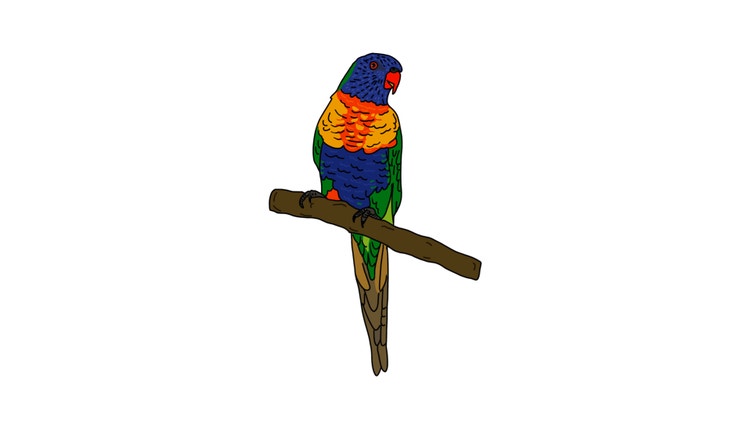
Rainbow lorikeet fact sheet
A noisy, brightly coloured parrot that feeds on nectar, pollen, fruit and seeds in flowering trees.

Red wattlebird fact sheet
A large honeyeater with red wattles on its neck that visits flowering shrubs and trees for nectar.

Noisy miner fact sheet
A grey honeyeater that lives in noisy groups and defends flowering trees and feeding territories.
Seed eaters
These birds feed on seeds, fruit, berries, nuts, flowers or other plant material. Some help spread seeds through forests, gardens and bushland.

Australian king parrot fact sheet
A bright red-and-green parrot that lives in forests and gardens and feeds on seeds, fruit and blossoms.
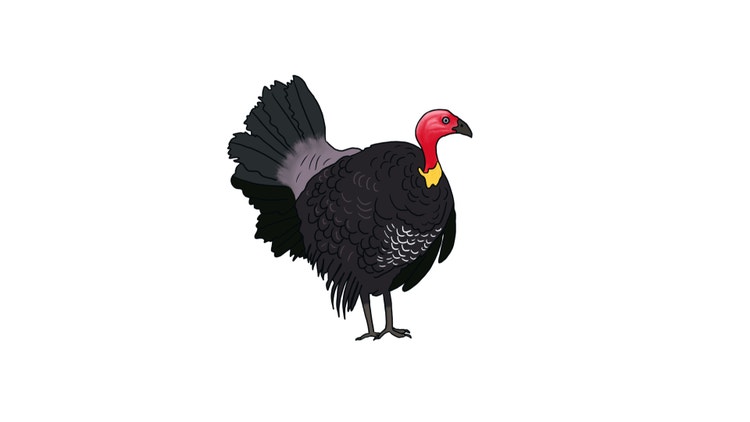
Brush turkey fact sheet
A large ground-dwelling bird that feeds on seeds, fruit, insects and other food found on the forest floor.
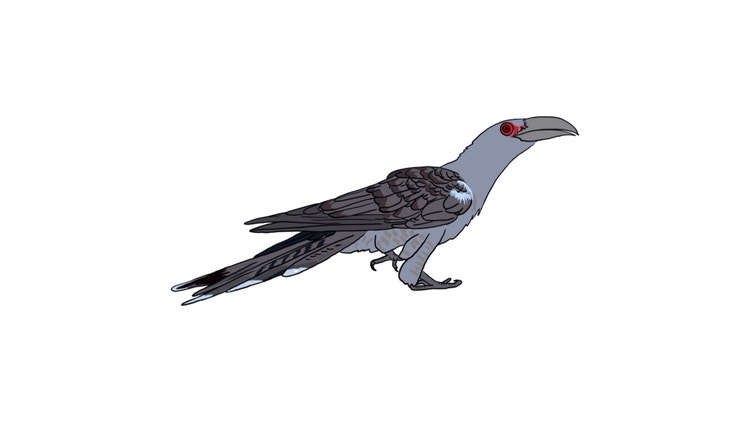
Channel-billed cuckoo fact sheet
Australia’s largest cuckoo, a fruit-eating migratory visitor that lays its eggs in other birds’ nests.

Crimson rosella fact sheet
A colourful parrot often seen in Sydney bushland feeding on seeds, fruit, flowers and leaf buds.

Pied currawong fact sheet
A large black bird with white wing patches that feeds on fruit, insects, eggs and small animals.

Red-browed finch fact sheet
A small seed-eating bird that lives in grassy bushland, gardens and shrubby habitats.

Satin bowerbird fact sheet
A glossy blue-black bird where males build and decorate bowers to attract a mate.

Sulphur-crested cockatoo fact sheet
A large white parrot with a yellow crest that uses its strong beak to crack seeds and tear apart plant material.

Yellow-tailed black cockatoo fact sheet
A large black cockatoo with yellow tail panels that feeds on seed cones, wood-boring larvae and native plant material.
Insect eaters
These birds hunt insects and other small animals on grass, bark, leaves, soil, branches or in the air.
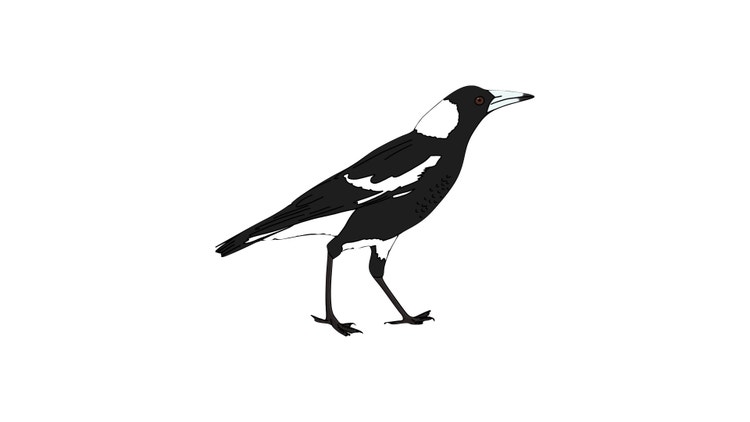
Australian magpie fact sheet
A black-and-white bird that walks across grass looking for insects, worms and other small animals.

Australian raven fact sheet
A large black bird known for its loud calls, clever behaviour and varied diet.
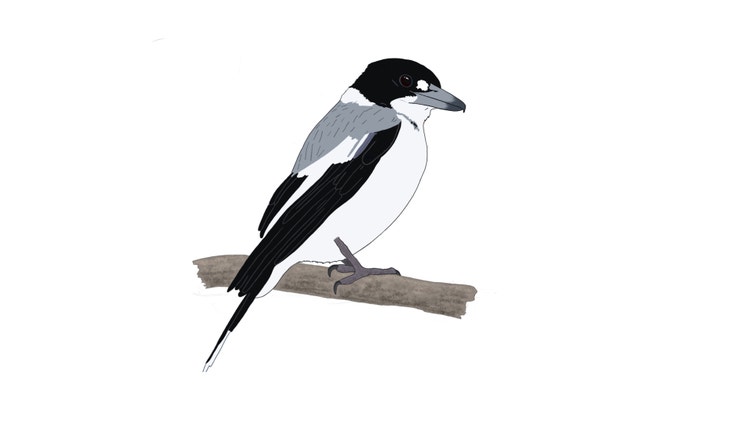
Butcherbird fact sheet
A songbird with a strong hooked beak that catches insects and small animals.

Laughing kookaburra fact sheet
A large kingfisher famous for its laughing call and for catching insects, reptiles and other small animals.
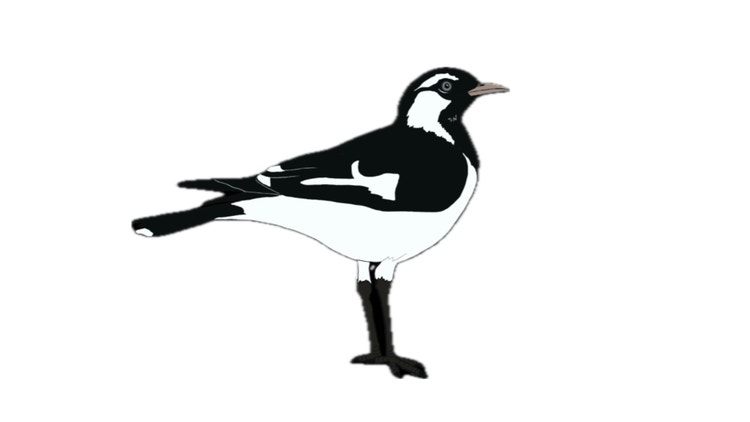
Magpie-lark fact sheet
A black-and-white bird often seen near water, known for its pee-wee call and muddy bowl-shaped nests.
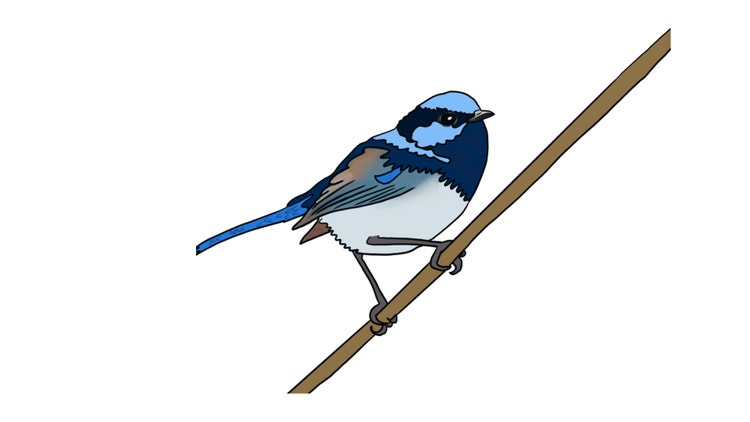
Superb fairy-wren fact sheet
A tiny, fast-moving bird that hops through shrubs and grasses looking for insects.

Tawny frogmouth fact sheet
A camouflaged night bird that looks like a broken branch and hunts insects and small animals after dark.

Willie wagtail fact sheet
A bold black-and-white bird that flicks its tail while chasing insects on the ground and in the air.
Waterbirds
These birds live in or near creeks, ponds, rivers, wetlands and coastal areas. They may swim, wade, graze or search for food in shallow water.
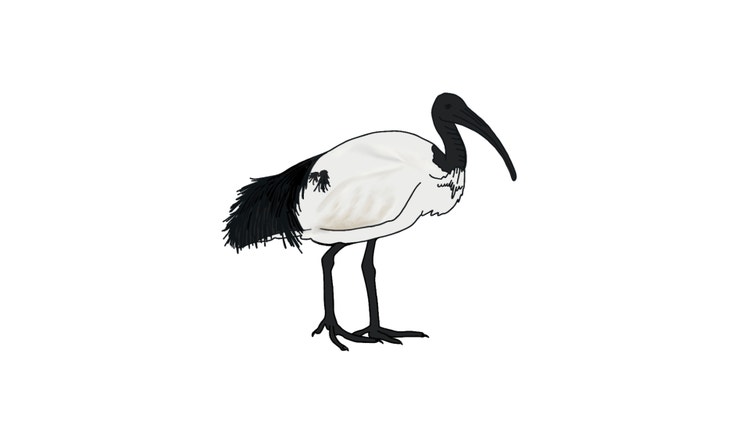
Australian white ibis fact sheet
A long-legged bird with a curved beak that feeds in wetlands, parks and urban areas.
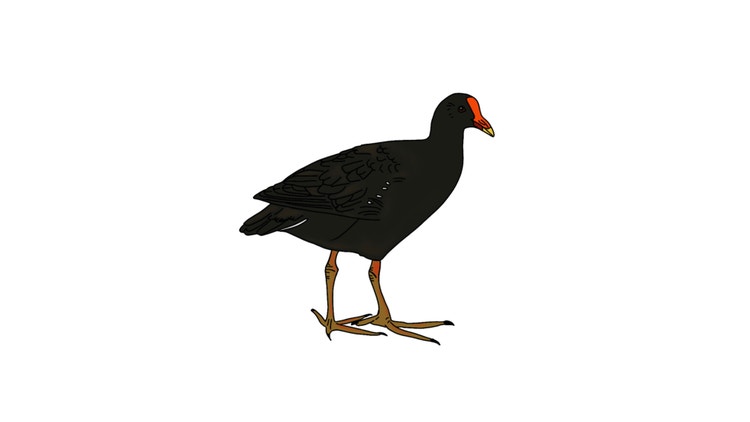
Dusky moorhen fact sheet
A dark waterbird with a red bill that swims in creeks, ponds and wetlands.

Pacific black duck fact sheet
A brown duck commonly found in creeks, ponds, wetlands and other freshwater habitats.

Royal spoonbill fact sheet
A large wetland bird that sweeps its spoon-shaped bill through shallow water to find food.
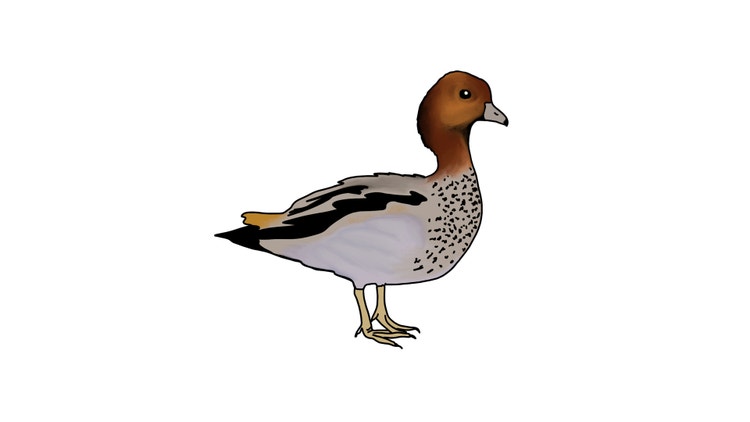
Wood duck fact sheet
A grazing duck often seen near water, on grass and around open parkland.
Birds of prey
These birds hunt other animals using sharp talons, hooked beaks and strong eyesight. They are important predators in food webs.

Powerful owl fact sheet
Australia’s largest owl, a night hunter that lives in tall forests and preys on possums and other animals.
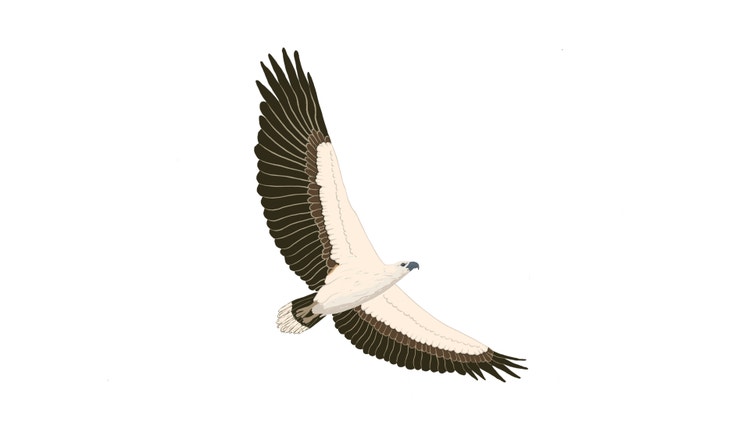
White-bellied sea eagle fact sheet
A large eagle that soars over waterways and coastlines searching for fish and other prey.
Learn with us

Book now
Book a curriculum-aligned excursion or incursion where students investigate Australian birds, habitats, adaptations, behaviours and food webs.

Learning programs
Explore Field of Mars EEC programs that support learning about birds, birdwatching, nesting, feeding, communication, biodiversity and ecosystem relationships.

Learning resources
Use bird fact sheets and learning resources to support classroom learning about feathers, beaks, wings, eggs, bird calls, habitats and conservation.

Flora and fauna fact sheets
Browse related fact sheets about Australian birds, plants, insects, mammals, reptiles, habitats, forests, wetlands and food webs.