
Ecosystem dynamics excursion | 2025 syllabus | Stage 6 Biology
Program overview
Ecosystem dynamics is a Stage 6 Biology excursion where students investigate the abiotic and biotic features and interactions of a sclerophyll forest ecosystem. Using the bogul, or native bush rat (Rattus fuscipes), as a case study, students undertake ecological fieldwork to investigate whether the bushland provides suitable habitat for a bogul re-wilding program.
Students investigate plant adaptations, ground vegetation, shelter, food resources and environmental conditions using field journalling, belt transects, quadrats and scientific fieldwork instruments. They collect and analyse primary data, consider interactions between abiotic and biotic factors and use multiple lines of evidence to evaluate the suitability of the study site for boguls. This draft program supports the Biology 11–12 Syllabus (2025), implemented for Year 11 from 2027. Activities may change as planning continues.
The fieldwork techniques in this program can also be explored in a 2 hour incursion.
Fieldwork inquiry
- What are the abiotic and biotic features and interactions within sclerophyll forest ecosystems?
- Is the sclerophyll forest ecosystem at Blackman Park a suitable site for the re-wilding of boguls?
Jump to: Program and curriculum | Essential information | Prepare for fieldwork | Location | Extend learning | Related programs


Program and curriculum information
Fieldwork activities
Activities may change to suit student needs, timing and weather conditions.
Plant adaptations
Students use field journalling, field guides and scientific tools to identify native sclerophyll plants and examine structural adaptations. They explain how these features support survival under environmental selective pressures and investigate how Aboriginal Peoples use local plant adaptations for specific purposes.
Ecological relationships (optional)
Students observe interactions between organisms and use annotated field drawings to identify ecological relationships such as competition, mutualism, commensalism, allelopathy, parasitism and predation.
Ground vegetation
Students use a belt transect and systematic sampling to investigate the abundance, richness and distribution of ground cover vegetation, logs and woody debris. They consider how these habitat features provide shelter and movement pathways for boguls.
Food and leaf litter
Students use random quadrat sampling to measure leaf litter and investigate potential bogul food resources including invertebrates, fungi, seeds and fruits. They use their data to assess the quality of the forest floor as foraging habitat.
Environmental conditions
Students use scientific fieldwork instruments to measure abiotic and biotic conditions including light, temperature, humidity, soil moisture and canopy cover. They consider how these conditions influence bogul activity, shelter and food availability.
Habitat evaluation
Students combine evidence from their field investigations to evaluate whether the sclerophyll forest at Blackman Park provides suitable habitat for a bogul re-wilding program.
Worksheet and supporting resources
Student worksheet
Student worksheet coming soon.
Secondary worksheets are password protected and available to teachers after booking. Contact Field of Mars EEC to request the password.
Schools are responsible for printing one worksheet for each student before the excursion.
Teacher and student resources
View the Fieldwork techniques learning resource.
Additional supporting resources are being developed. These may include pre-fieldwork activities, species and ecosystem information and data-processing templates.
Suggested timetable
Time |
Activities |
| 9.45–10.15 | Introduction, fieldwork preparation and toilets |
| 10.15–11.00 | Fieldwork investigation 1 |
| 11.00–11.30 | Food break and toilets |
| 11.30–12.15 | Fieldwork investigation 2 |
| 12.15–12.45 | Food break and toilets |
| 12.45–1.30 | Fieldwork investigation 3 |
| 1.30–2.00 | Data analysis and preliminary conclusions |
| 2.00–2.15 | Pack up and depart |
The timetable may change according to class numbers, student learning needs, the selected location and weather.
Syllabus outcomes and content
Students will learn to
- collect and analyse quantitative and qualitative biotic and abiotic field data
- use belt transects and quadrats to investigate the abundance and distribution of ecosystem features
- explain how structural plant adaptations shaped by evolution support survival under environmental selective pressures
- investigate how Aboriginal Peoples use adaptations of local plants for specific purposes
- identify and explain relationships between organisms
- investigate how ground vegetation, woody debris and leaf litter provide habitat for animals
- analyse how environmental conditions interact with vegetation and food resources
- explain how abiotic and biotic factors may influence the abundance and distribution of organisms
- evaluate the suitability of a sclerophyll forest site for bogul re-wilding
- evaluate the validity, reliability and accuracy of ecological fieldwork data
- communicate an evidence-based ecological conclusion
Biology 11–12 Syllabus (2025)
Year 11 focus area
Evolution and ecosystems
Outcome
- BI-11-03 – analyses the relationships between organisms and their environment using the theory of evolution by natural selection
Working Scientifically outcomes
- BI-11WS-03 – conducts scientific investigations to collect data and information
- BI-11WS-04 – selects and processes qualitative and quantitative data and information
- BI-11WS-05 – analyses and evaluates primary and secondary data and information
- BI-11WS-07 – communicates scientific arguments using evidence, scientific language and terminology for a specific audience
Content
Natural selection
Students:
- Use examples to demonstrate how abiotic and biotic factors exert selective pressures on populations
Evolution and adaptations
Students:
- Use plant and animal examples to explain how structural, physiological and behavioural adaptations shaped by evolution enable survival in their environment.
- Conduct a practical investigation to examine structural adaptations for water balance in Australian plants.
- Explain how Aboriginal Peoples use the adaptations of local plants and animals for specific purposes.
Ecosystem dynamics
Students:
- Conduct a practical investigation to collect and analyse abiotic and biotic data, to discuss the features of an ecosystem.
- Explain how abiotic and biotic factors influence the abundance, distribution and diversity of species in an ecosystem.
- Compare sampling techniques to estimate distribution and abundance of organisms.
- Conduct a practical investigation to examine the distribution and abundance of a plant or animal using belt transect, line transect or quadrat sampling techniques.
- Use examples to determine relationships between organisms, including predation, competition, mutualism, commensalism, allelopathy and parasitism.
- Evaluate the validity, reliability and accuracy of ecological sampling data when drawing conclusions about ecosystem dynamics.
Biology 11–12 Syllabus (2025) © NSW Education Standards Authority for and on behalf of the Crown in right of the State of New South Wales, 2025.
Vocabulary
Essential information
Cost, class numbers and booking
Cost
DoE $27 per student – GST free
Non-government school $37 per student – GST free, minimum charge $750 per class
Classes
Blackman Park maximum 6 classes per day, with up to 30 students per class.
Buffalo Creek Reserve maximum 3 classes per day.
Field of Mars Reserve maximum 3 classes per day.
Program costs
Program costs may change. If program costs change after you book, you will be charged at the original cost.
Booking policy
Confirm final student numbers and classes 7 working school days before the program.
Risk assessment and accessibility
Access the risk assessment and location information for the confirmed excursion site:
Blackman Park risk assessment and location information
Buffalo Creek Reserve risk assessment and location information
Field of Mars Reserve risk assessment and location information
The program includes rugged bushwalking on uneven natural tracks. The full standard program is not wheelchair accessible.
Students who are unwell should not attend.
Classroom teachers are expected to attend and actively supervise students throughout the excursion.
Notify Field of Mars EEC before the visit about medical, mobility, sensory, communication or other support needs so reasonable adjustments can be considered.
What to bring and prepare
School preparation
- Print one worksheet for each student
- Organise students into suitable working groups
- Ensure students bring writing materials and a clipboard
- Review relevant fieldwork techniques or supporting resources
- Advise Field of Mars EEC of learning, medical or access requirements
Students should bring
School sports uniform, backpack, medication, low-waste food, water bottle, sunscreen, raincoat, hat, sturdy closed shoes, pencils, clipboard and a reusable name tag.
Weather, cancellations and rescheduling
The program may be modified, postponed or cancelled because of predicted extreme temperatures, bush fire danger, heavy rainfall, high winds or dust storms.
Cancellation or rescheduling with less than 30 school days’ notice before the booking date – $650
Cancellation with less than 14 school days’ notice before the booking date – full program cost
Cancellation due to unsafe weather or fire danger – $0
Prepare for secondary fieldwork

Preparing for your excursion
Find information about clothing, equipment, transport, arrival procedures, safety and preparing students for outdoor fieldwork.
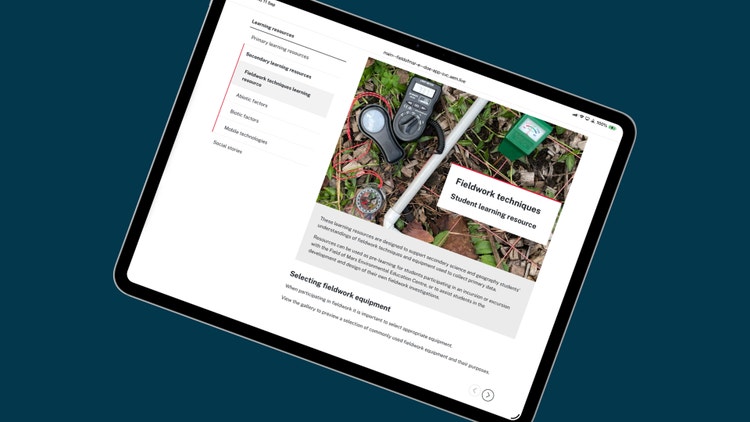
Fieldwork techniques
Help students prepare to use scientific equipment, sampling methods, observations and field data-recording techniques.
Location options

Blackman Park
Main location
Find risk assessment information, risk management advice, bus access details and walking track information for Blackman Park.
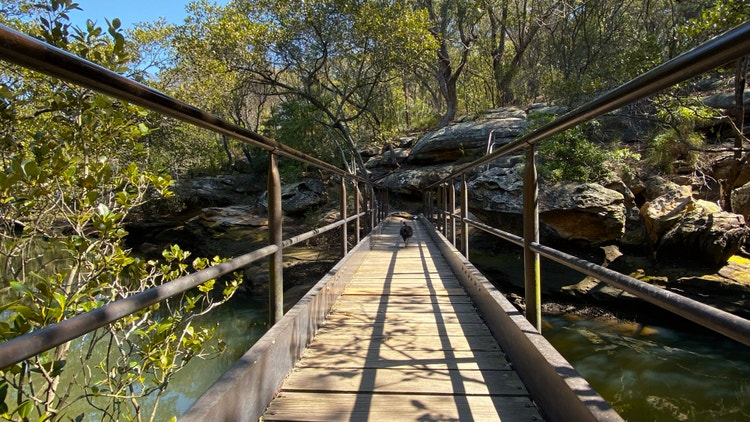
Buffalo Creek Reserve
Alternative location
Find risk assessment information, risk management advice, bus access details and walking track information for Buffalo Creek Reserve.
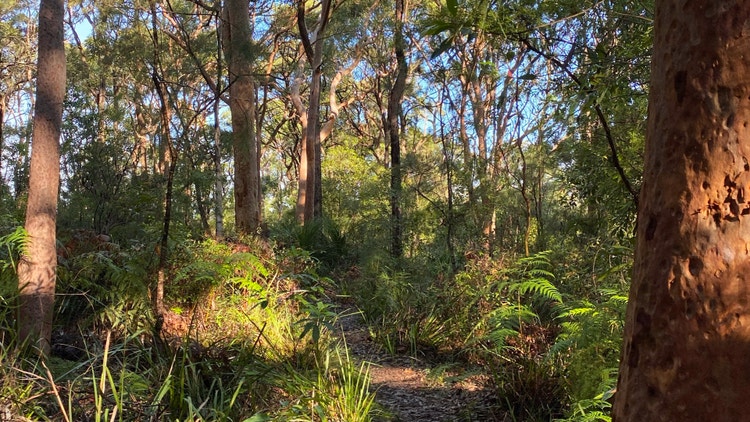
Field of Mars Reserve
Alternative location
Find risk assessment information, risk management advice, bus access details and walking track information for Field of Mars Reserve.
Extend student learning
Use these student-friendly fact sheets before or after the Ecosystem dynamics excursion to investigate boguls, sclerophyll forest ecosystems and the habitats and resources assessed during fieldwork.
- Bogul fact sheet – Learn about bogul habitat, diet, nocturnal behaviour, adaptations and ecological role.
- Eucalypt forest ecosystems fact sheet – Explore interactions between living things and non-living features in the forest ecosystem investigated during fieldwork.
- Ground cover habitat fact sheet – Investigate how grasses, ferns and other low plants provide shelter, food and movement pathways for ground-dwelling animals.
- Leaf litter habitat fact sheet – Explore how leaf litter provides a moist microhabitat for fungi, invertebrates and other organisms that contribute to bogul food resources.
- Rock and log habitat fact sheet – Discover how fallen logs, woody debris, rocks and crevices provide shelter and create ground-level microhabitats.
- Invertebrate fact sheets – Explore insects, spiders, worms and other invertebrates that form part of forest food webs and provide potential food for boguls.
Learn with us
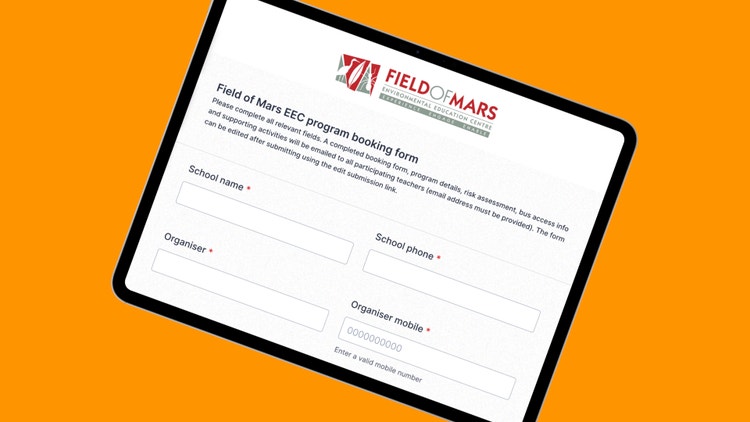
Book this excursion
Book this Stage 6 Biology excursion using the online booking form.
Supporting resources
Access worksheets, assessment materials, fieldwork techniques, digital resources and classroom learning that support secondary science excursions.
Related Stage 6 Biology programs
Science fieldwork incursion
Collect ecological data at or near school using sampling techniques, abiotic measurements and scientific fieldwork instruments.