Reptile fact sheets | Field of Mars EEC
Explore Field of Mars EEC reptile fact sheets for NSW primary and secondary students and teachers. These resources introduce lizards, snakes, turtles and geckos found in Sydney bushland, wetlands, creeks, gardens and other Australian environments.
Use these fact sheets to learn how reptiles move, feed, shelter, reproduce and survive. They support learning about adaptations, life cycles, habitats, food webs, ecosystems, biodiversity and conservation.
Reptiles fact sheet
Learn what reptiles are, how they survive, and why lizards, snakes, turtles and geckos are important in healthy ecosystems.

Eastern blue-tongued lizard fact sheet
A large ground-dwelling lizard with a blue tongue that shelters in leaf litter and eats slugs, insects, flowers and berries.
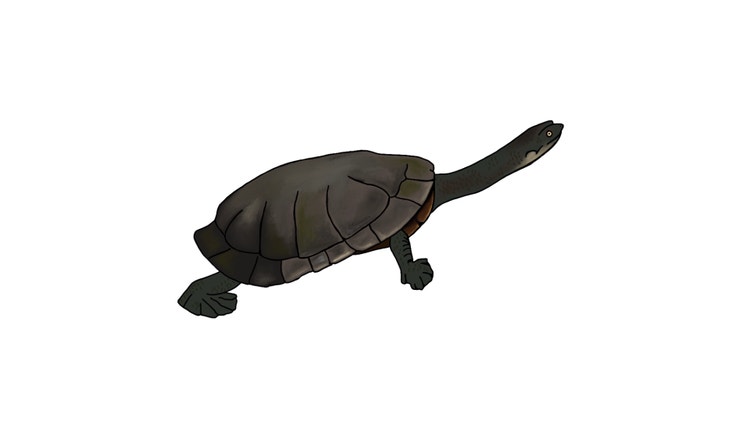
Eastern snake-necked turtle fact sheet
A freshwater turtle with a long neck that swims in wetlands, feeds on aquatic animals and may travel over land after rain.
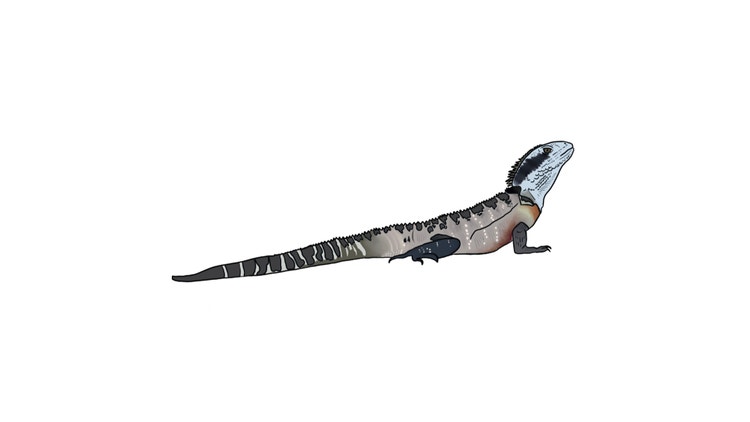
Eastern water dragon fact sheet
A large creekside lizard with a long tail, spiny crest and strong swimming ability that lives near water.

Eastern water skink fact sheet
A creekside skink that basks on logs and rocks, hunts small animals and dives into water to escape predators.

Lace monitor fact sheet
A large tree-climbing goanna that hunts animals, scavenges carrion and uses hollows, logs and termite mounds.
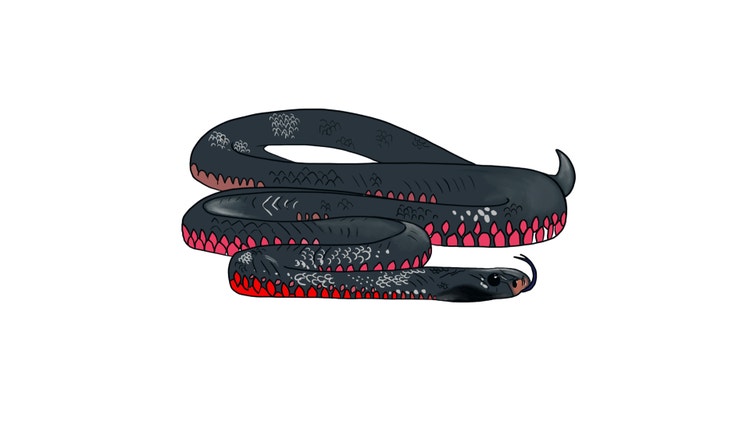
Red-bellied black snake fact sheet
A black snake with red sides that lives near water, eats frogs and reptiles, and usually avoids people.
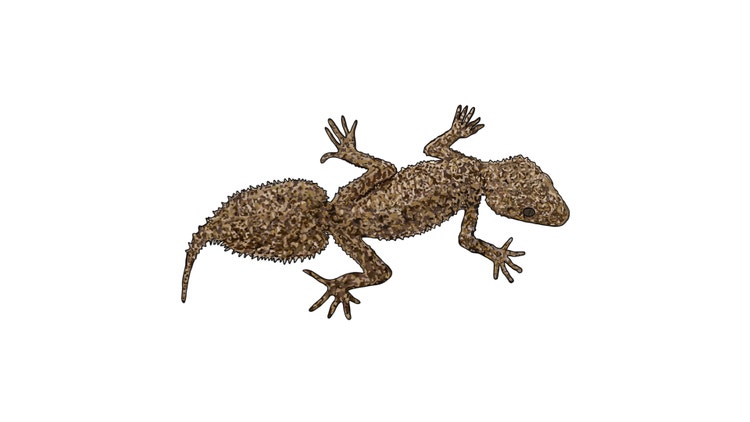
Southern leaf-tailed gecko fact sheet
A nocturnal gecko with a leaf-shaped tail that hides in sandstone crevices and hunts insects at night.
Learn with us

Book now
Book a curriculum-aligned excursion or incursion where students investigate reptiles, habitats, adaptations, life cycles and survival features.

Learning programs
Explore Field of Mars EEC programs that support learning about lizards, snakes, turtles, geckos, food webs, biodiversity and ecosystem interactions.

Learning resources
Use reptile fact sheets and learning resources to support classroom learning about scales, camouflage, basking, shelter, predator-prey relationships and habitats.

Flora and fauna fact sheets
Browse related fact sheets about reptiles, amphibians, invertebrates, mammals, water habitats, leaf litter, rocks, logs and Australian ecosystems.