Plant fact sheets | Field of Mars EEC
Explore Field of Mars EEC plant fact sheets for NSW primary and secondary students and teachers. These resources introduce native trees, shrubs, ferns and other plants found in Sydney bushland, wetlands, coastal areas, school grounds and other Australian environments.
Use these fact sheets to learn how plants grow, survive, reproduce and provide food, shelter and habitat for animals. They support learning about plant adaptations, life cycles, ecosystems, biodiversity, Aboriginal Peoples’ use of plants, and the links between plants, animals and environments.
Plants fact sheet
Living things that make their own food and provide oxygen, shelter, food and habitat for animals.

Bracken fern fact sheet
A spreading native fern that grows across forest floors, shelters small animals and helps recycle nutrients from leaf litter.
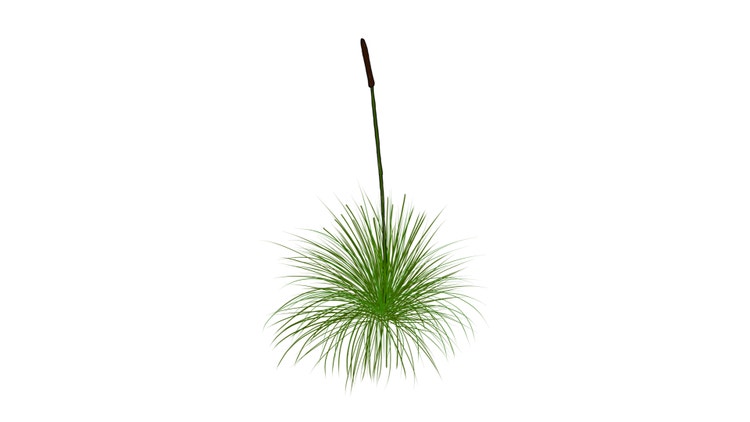
Grass tree fact sheet
A slow-growing native plant with a dark trunk and tall flower spike that provides nectar, shelter and habitat for many animals.
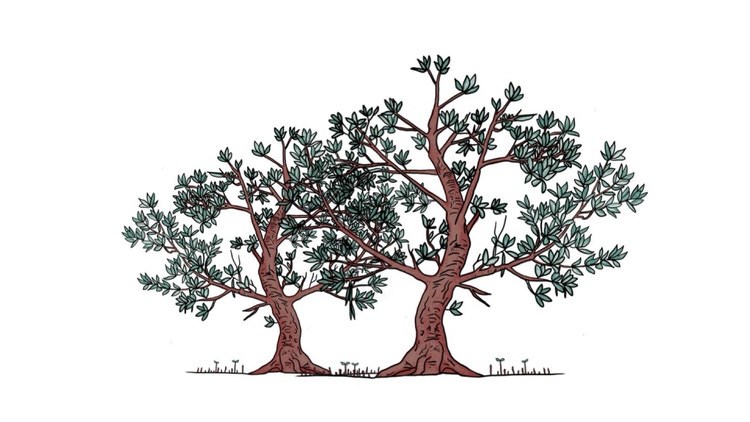
Grey mangrove fact sheet
A salt-tolerant coastal tree with breathing roots that protects shorelines and provides habitat for fish, crabs and birds.
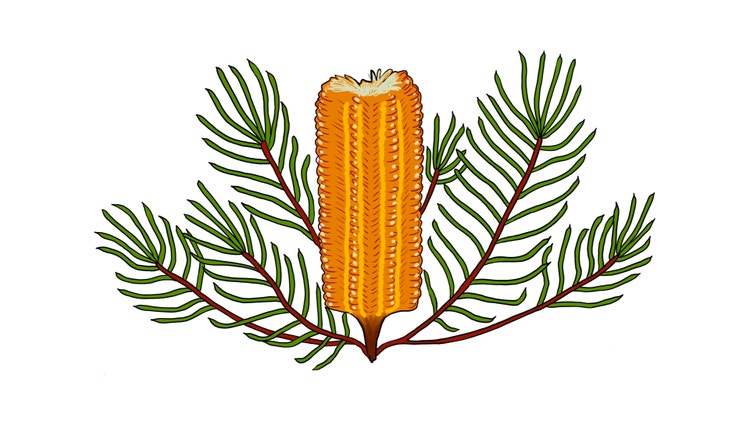
Hairpin banksia fact sheet
A native shrub or small tree with narrow leaves and curved flower spikes that attract nectar-feeding birds, insects and mammals.

Kunzea fact sheet
A hardy native shrub with small leaves and masses of white flowers that provide shelter and food for insects and birds.

Mountain devil fact sheet
A prickly NSW plant with red nectar-rich flowers and horned seed pods that support honeyeaters and insects.
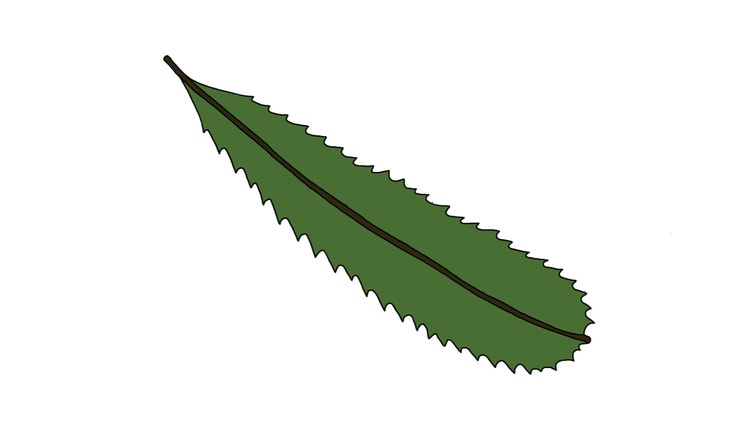
Old man banksia fact sheet
A woody banksia with large flower spikes and seed cones that provides nectar, seeds and shelter in dry sclerophyll forests.
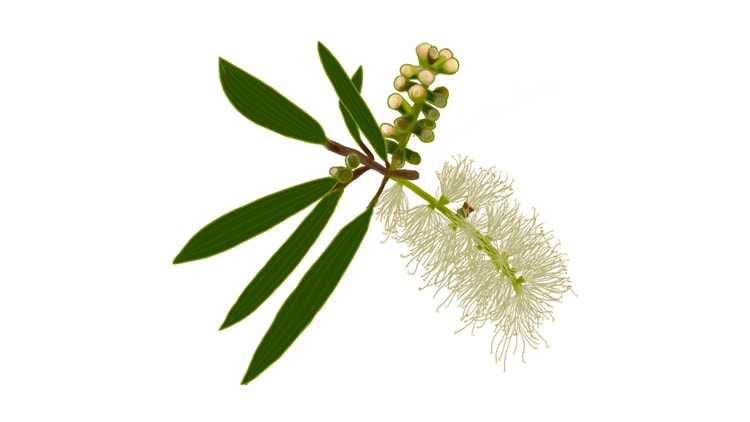
Paper-bark tree fact sheet
A native tree with soft peeling bark, flowers and spreading branches that provides food, shelter and habitat for wildlife.
Scribbly gum fact sheet
A smooth-barked eucalypt with scribbly markings, nectar-rich flowers and canopy habitat for birds, insects and other animals.

Spider flowers fact sheet
A group of native grevilleas with spider-like flowers that provide nectar for birds, insects and other pollinators.

Spiny-headed mat rush fact sheet
A tough ground cover plant with strap-like leaves that shelters small animals and helps protect soil in bushland.
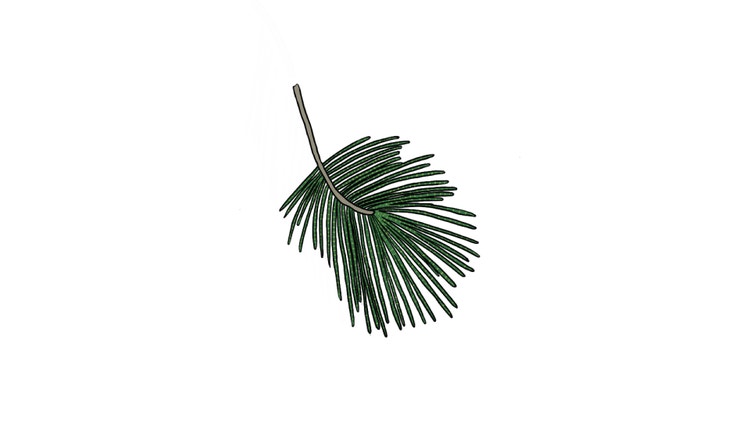
Swamp she-oak fact sheet
A wetland and estuary tree with drooping branchlets that stabilises soil and provides food, shelter and habitat for wildlife.
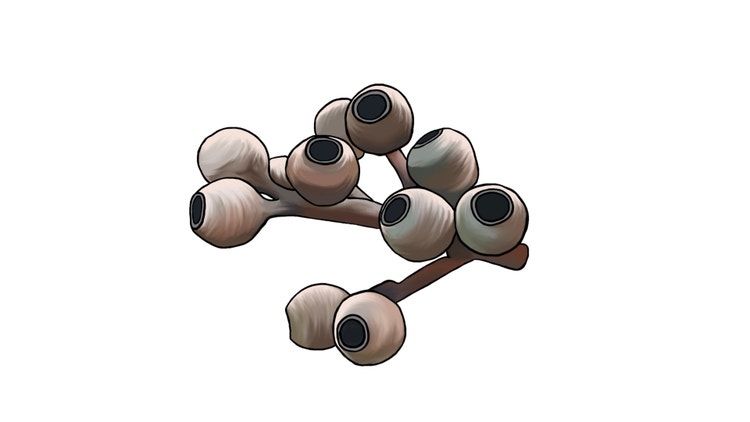
Sydney peppermint fact sheet
A native eucalypt with peppermint-scented leaves, fibrous bark, nectar-rich flowers and hollows used by animals for shelter.
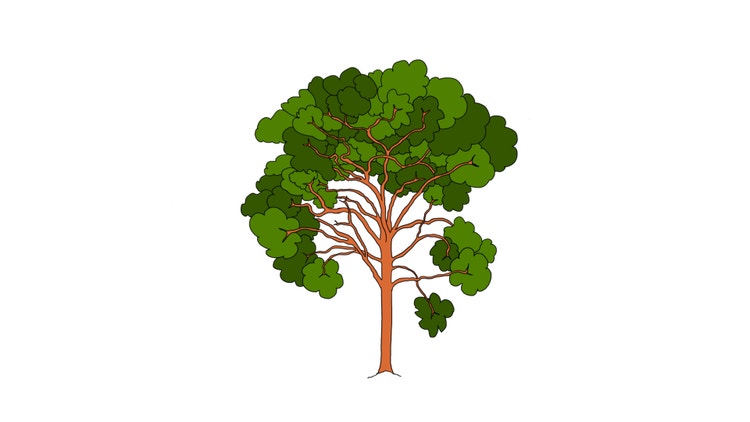
Sydney red gum fact sheet
A smooth-barked native gum with red-toned bark and nectar-rich flowers that support birds, insects and other wildlife.
Learn with us

Book now
Book a curriculum-aligned excursion or incursion where students investigate native plants, habitats, adaptations, life cycles and ecosystem connections.

Learning programs
Explore Field of Mars EEC programs that support learning about trees, shrubs, ferns, ground covers, plant adaptations, biodiversity and local environments.

Learning resources
Use plant fact sheets and learning resources to support classroom learning about plant features, reproduction, pollination, seed dispersal, habitats and food webs.

Flora and fauna fact sheets
Browse related fact sheets about Australian plants, animals, pollinators, habitats, eucalypt forests, wetlands, waterways and ecosystems.