Coastal salt marsh ecosystems fact sheet | Field of Mars EEC
What are coastal salt marsh ecosystems?
Coastal salt marshes are low, flat wetland ecosystems found beside tidal creeks, rivers, bays and estuaries. They grow in the intertidal zone, where very high tides may cover the marsh with salty or brackish water and low tides expose mud, shallow pools and salt-tolerant plants.
Coastal salt marshes are ecosystems because they include living things and non-living features that interact. Living things include plants, animals, algae, fungi, bacteria and other microorganisms. Non-living features include tides, salt water, mud, soil, sunlight, nutrients, rainfall, evaporation and oxygen levels.
A habitat is a smaller place within an ecosystem where an organism lives and carries out activities. In coastal salt marshes, habitats include muddy pools, tidal channels, crab burrows, saltmarsh plants, wet mud, plant litter and nearby mangrove roots.

A coastal salt marsh.
Fast facts – Coastal salt marsh ecosystem
Type – Coastal salt marshes are tidal wetland ecosystems where salt-tolerant plants, animals and non-living conditions interact.
Location – Coastal salt marshes grow along tidal flats, estuaries, bays, lagoons, sheltered shorelines and tidal creeks.
NSW examples – NSW examples include Buffalo Creek, Kittys Creek, Lane Cove River, Sydney Olympic Park and Towra Point Nature Reserve.
Climate – Coastal salt marshes are shaped by coastal rainfall, evaporation, tides, salinity, storms, heat and sea level.
Living features – Samphire, sea rush, saltwater couch, seablite, algae, crabs, snails, worms, insects, shorebirds, waterbirds, fungi and bacteria.
Non-living features – Salt water, brackish water, tides, mud, soil, sunlight, nutrients, rainfall, evaporation, salinity and oxygen levels shape coastal salt marshes.
Habitats – Muddy pools, tidal channels, saltmarsh plants, crab burrows, wet mud, plant litter and nearby mangrove roots provide habitats.
Food webs – Saltmarsh plants, algae and detritus feed small animals, which are eaten by fish, crabs, shorebirds and waterbirds.
Tides – Very high tides may cover the marsh with salty or brackish water, while low tides expose mud, pools and salt-tolerant plants.
Importance – Coastal salt marshes filter water, recycle nutrients, store carbon, protect shorelines, support estuary food webs and provide habitat for fish and birds.
Threatened species – Coastal salt marsh can support threatened or vulnerable shorebirds and other wetland species that depend on healthy estuary habitat.
Protection – Coastal salt marsh in the NSW North Coast, Sydney Basin and South East Corner bioregions is listed as an Endangered Ecological Community in NSW.
Where are coastal salt marsh ecosystems found?
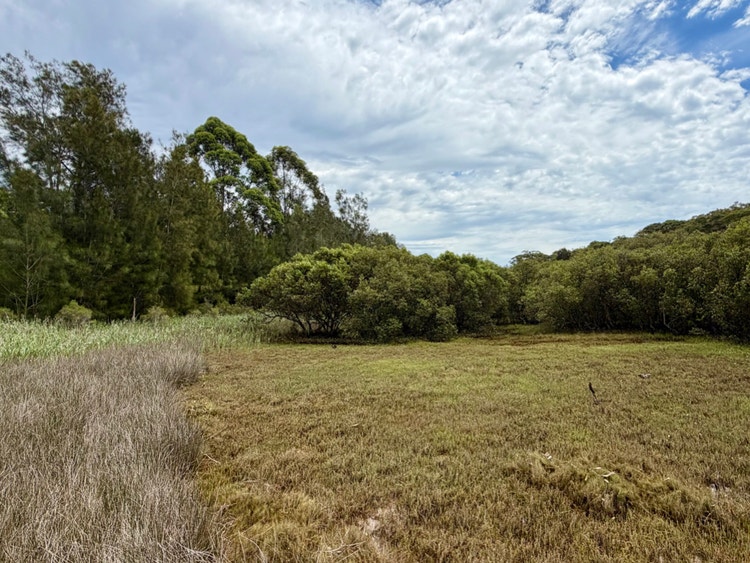
Coastal salt marshes are found in sheltered estuaries, bays, lagoons, tidal creeks and rivers. They usually grow above mangroves or mudflats where the ground is flooded less often than lower intertidal areas.
In NSW, coastal salt marsh occurs along the coast, including in the Sydney Basin. Around Sydney, salt marshes are found in places such as the Parramatta River, Sydney Olympic Park, Towra Point Nature Reserve, Lane Cove River, Buffalo Creek and Kittys Creek.
What living and non-living features make up coastal salt marsh ecosystems?
Coastal salt marshes include living things such as salt-tolerant plants, algae, crabs, snails, worms, insects, spiders, small fish, birds, fungi, bacteria and other microorganisms. These living things depend on each other for food, shelter, reproduction and nutrient cycling.
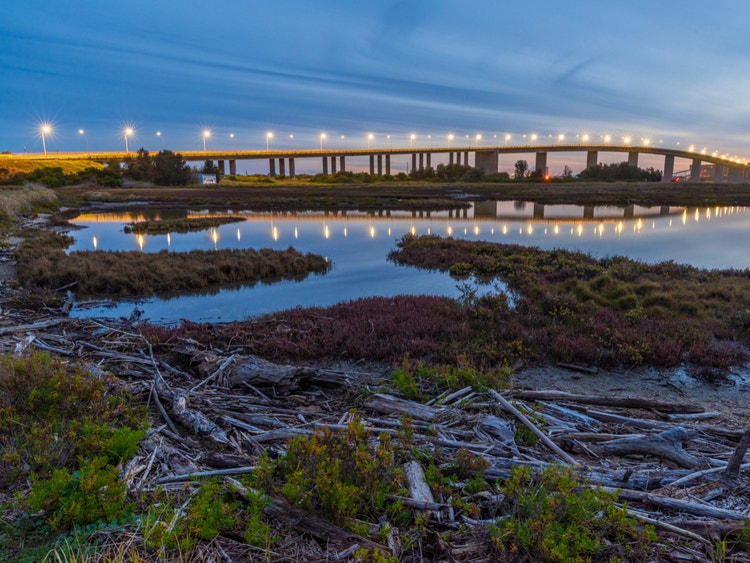
Non-living features help shape where salt marshes can grow. Tides bring salt water, sediments, nutrients, seeds and small animals into the marsh. Mud, soil, sunlight, rainfall, evaporation, salinity and oxygen levels affect which plants and animals can survive. Within this ecosystem, habitats such as muddy pools, crab burrows, tidal channels and plant stems provide specific places for organisms to live.
What plants and animals live in coastal salt marsh ecosystems?
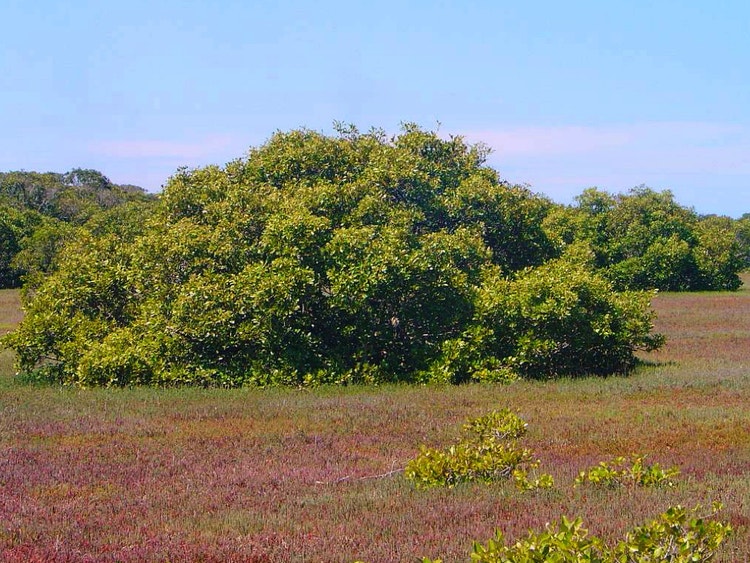
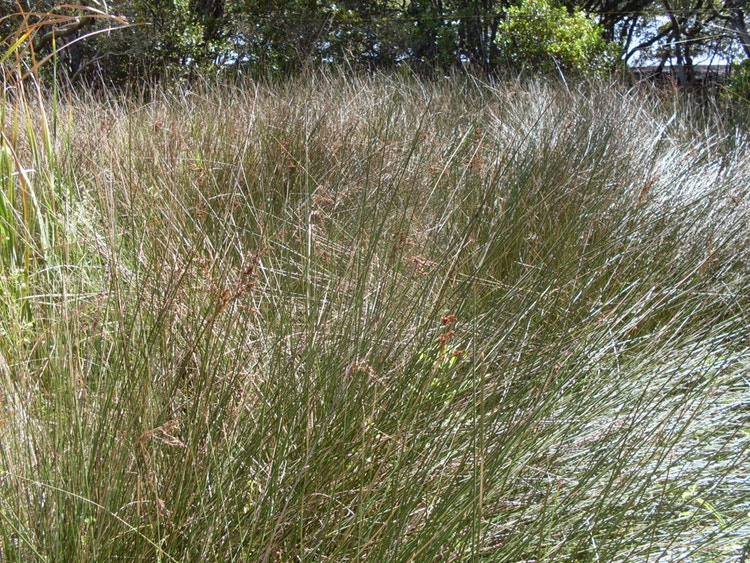
Saltmarsh plants are producers. They use sunlight, water, air and nutrients to grow. Common plants in NSW coastal salt marshes include samphire or beaded glasswort, sea rush, saltwater couch, creeping brookweed, seablite, streaked arrowgrass and other salt-tolerant species. These plants help hold mud and sediments in place and provide shelter for small animals.
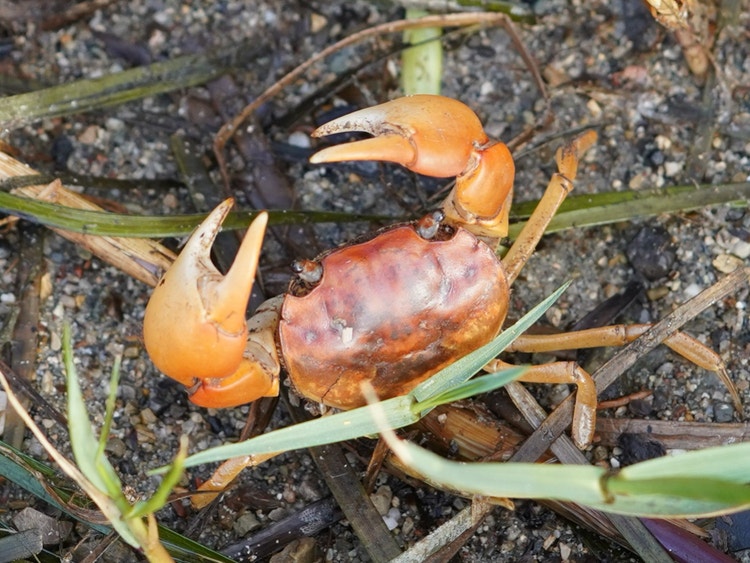
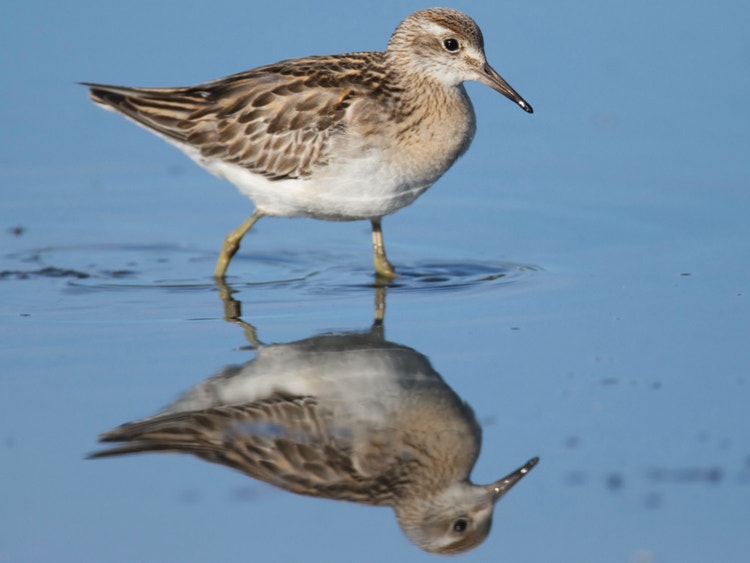
Animals in coastal salt marshes are consumers. Crabs, snails, worms, amphipods, insects, spiders, small fish, shorebirds and waterbirds feed in the marsh, nearby mudflats and tidal channels. Fungi, bacteria, worms, larvae and other small organisms act as decomposers by breaking down dead plants, dead animals and waste.
How do living things depend on coastal salt marsh ecosystems?
Living things depend on coastal salt marshes for food, shelter, nursery habitat and places to feed. Saltmarsh plants and algae use sunlight, water, air and nutrients to grow. Small animals eat living plants, algae, dead plant material or tiny particles in the mud. Larger fish and birds then eat crabs, insects, worms, small fish and other animals.
Energy and matter move through coastal salt marsh food chains. A simple food chain could be: saltmarsh plants and detritus → insects, crabs or small fish → shorebirds or larger fish. Decomposers such as fungi, bacteria, worms, ants, larvae and other small organisms break down dead matter and return nutrients to mud, soil and plant litter, helping producers grow again.

How are coastal salt marsh ecosystems connected to Aboriginal Peoples and Country?
Coastal salt marshes are part of wider estuary Country. They connect with rivers, mangroves, mudflats, shorelines and coastal waters that have long been important to Aboriginal Peoples. These places can provide food, materials, travel routes, teaching places and cultural connections.
In coastal Sydney, Aboriginal Peoples collected shellfish, fish and crustaceans from sandy and muddy intertidal shorelines, estuaries and shallow waters. Shell middens found in coastal areas can show long connections between Aboriginal Peoples and estuary environments. Where learning is connected to a specific salt marsh, local Traditional Custodians should be acknowledged and consulted.
Why are coastal salt marsh ecosystems important?
Coastal salt marshes are important for biodiversity because they provide habitat, food and shelter for many plants and animals. They support invertebrates, small fish, shorebirds and waterbirds, and they connect with nearby ecosystems such as mangrove forests, mudflats, tidal creeks and estuaries.
Coastal salt marshes also help protect the wider estuarine environment. Their plants trap sediment, slow water movement, reduce erosion, filter nutrients and pollutants from runoff, and store carbon in plants and wet soils. Protecting coastal salt marshes helps protect water quality, shorelines, food chains and blue carbon ecosystems.
What threatens coastal salt marsh ecosystems?
Coastal salt marshes have been reduced and damaged by land filling, clearing, coastal development, changed tidal flow, altered drainage and pollution. Stormwater runoff can carry sediment, nutrients, chemicals and rubbish into estuaries, changing the conditions saltmarsh plants need to survive.
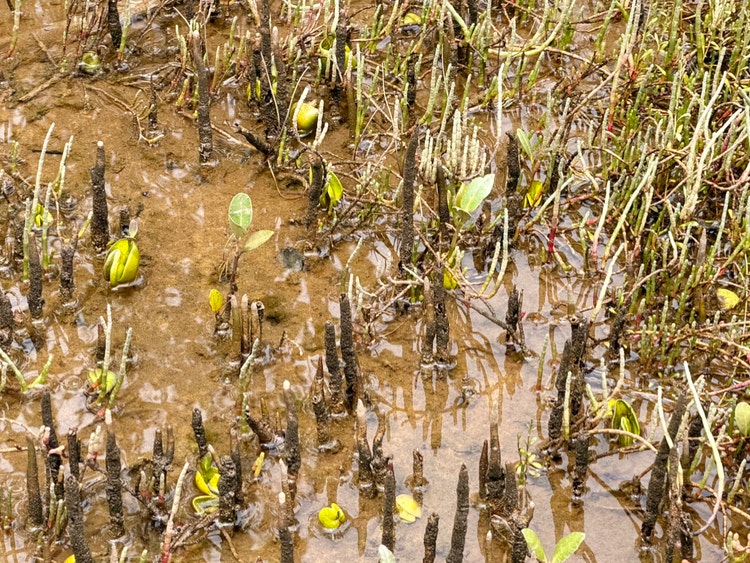
Other threats include weeds, trampling, vehicle damage, erosion, inappropriate mowing, feral animals, sea level rise and climate change. In some places, mangroves are spreading into former salt marsh areas. This can reduce open saltmarsh habitat used by some plants and animals.
How can you help coastal salt marsh ecosystems?
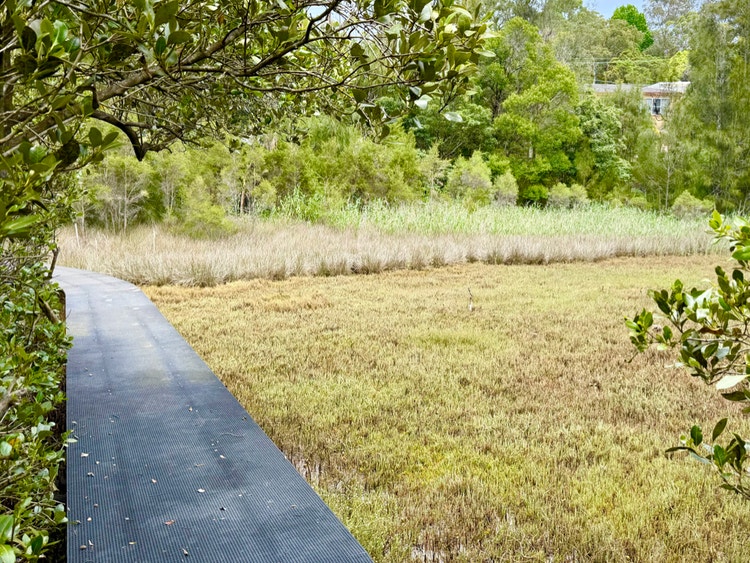
You can help protect coastal salt marshes by staying on tracks, boardwalks and marked paths. Avoid trampling sensitive plants, muddy edges, pools and crab burrows. Do not remove plants, animals, shells, rocks, logs, mud or bark from wetland areas.
Keep waterways clean by taking rubbish home and reducing pollution entering stormwater drains. You can also learn about local catchments, share accurate information, plant suitable local native species at school or home, and support bushcare or wetland restoration activities where appropriate.
Related fact sheets
Environments and ecosystems
- Mangrove forest fact sheet – Learn about a nearby tidal ecosystem with mud, mangrove roots, crabs, fish nurseries and estuary food chains.
- Field of Mars Reserve fact sheet – Explore a local urban bushland environment with creeks, wetland areas, mangroves, salt marsh, plants and animals.
- Ecosystems and environment fact sheets – Browse fact sheets about eucalypt forests, mangrove forests, coastal salt marshes and Field of Mars Reserve.
Habitats
- Water habitats fact sheet – Discover how wet places such as ponds, creeks, wetlands and estuary edges provide habitat for plants and animals.
- Habitat fact sheets – Explore smaller habitats such as water, soil, leaf litter, ground cover, rocks and logs.
Plants near this ecosystem
- Grey mangrove fact sheet – Learn about a salt-tolerant tree that grows beside estuaries, tidal creeks and coastal salt marshes.
- Swamp she-oak fact sheet – Explore a creekside and estuary plant that helps stabilise banks and supports wetland edges.
Animals in this ecosystem
- Red-fingered marsh crab fact sheet – Learn about a mud-dwelling crab that helps recycle nutrients in mangrove and saltmarsh habitats.
- Semaphore crab fact sheet – Explore a small crab with long eye stalks that lives in mangroves and intertidal mudflats.
- Australian white ibis fact sheet – Learn about a native wetland bird that searches for food in mud, water and grassy areas.
Food webs and ecological relationships
- Crustaceans fact sheet – Learn about crabs and other crustaceans that live in damp, freshwater, marine and intertidal habitats.
- Birds fact sheet – Explore how birds use wetlands, creeks, forests and other habitats for food, shelter and nesting.
- Invertebrate fact sheets – Browse small animals that support food chains, nutrient cycling and decomposition in many ecosystems.
Attributions
References
Australian Museum. Aboriginal people of coastal Sydney. [online] Available at: https://australian.museum/learn/cultures/first-nations-collections/sydney/
Botanic Gardens and State Herbarium. Juncus kraussii. [online] Available at: https://plantselector.botanicgardens.sa.gov.au/Plants/Details/3384
Department of Climate Change, Energy, the Environment and Water. Subtropical and Temperate Coastal Saltmarsh Conservation Advice. [online] Available at: https://www.dcceew.gov.au/environment/biodiversity/threatened/conservation-advices/subtropical-temperate-coastal-saltmarsh
NSW Department of Education. Salt marsh. [online] Available at: https://schoolsequella.det.nsw.edu.au/file/6fccb196-b448-40b3-abd8-64dc662b8079/1/NSWEcosystems.zip/LOs/salt-marsh/index.htm
NSW Department of Primary Industries. Coastal Saltmarsh Primefact. [online] Available at: https://www.dpi.nsw.gov.au/__data/assets/pdf_file/0007/459628/Coastal-Saltmarsh-Primefact.pdf
NSW Environment and Heritage. Blue Carbon Strategy. [online] Available at: https://www.environment.nsw.gov.au/topics/water/coasts/blue-carbon-strategy
NSW Environment and Heritage. Coastal Saltmarsh in the NSW North Coast, Sydney Basin and South East Corner bioregions – endangered ecological community listing. [online] Available at: https://www.environment.nsw.gov.au/topics/animals-and-plants/threatened-species/nsw-threatened-species-scientific-committee/determinations/final-determinations/2004-2007/coastal-saltmarsh-north-coast-sydney-basin-south-east-corner-endangered-ecological-community-listing
NSW Environment and Heritage. Coastal Saltmarsh in the New South Wales North Coast, Sydney Basin and South East Corner Bioregions – profile. [online] Available at: https://threatenedspecies.bionet.nsw.gov.au/profile?id=10866
NSW Environment and Heritage. Why estuaries are important. [online] Available at: https://www.environment.nsw.gov.au/topics/water/estuaries/about-estuaries/why-estuaries-are-important
Image attributions
A coastal salt marsh – Field of Mars EEC (original illustration).
Salt marsh at Kittys Creek. Salt marshes develop on muddy or sandy sediments where tidal movement, salinity and elevation create suitable conditions. – Field of Mars EEC (original image).
Salt marsh along the Coquun/Hunter River. Coastal salt marshes grow in sheltered estuaries where tides, sediments and salinity create suitable conditions. – “View towards Stockton Bridge, Hunter Wetlands National Park.jpg” by Poidabro. Creative Commons Attribution-Share Alike 4.0 International. Available at: https://commons.wikimedia.org/wiki/File:View_towards_Stockton_Bridge,_Hunter_Wetlands_National_Park.jpg

Samphire and mangroves at Towra Point Nature Reserve. Coastal salt marshes often grow beside mangrove forests in estuarine environments. – “Towra Point, NSW - Salt marsh and mangroves (2018).JPG” by Winston M. Yang/Wyp. Creative Commons Attribution-Share Alike 3.0 Unported. Available at: https://commons.wikimedia.org/wiki/File:Towra_Point,NSW-Salt_marsh_and_mangroves(2018).JPG
.JPG)
Haswell’s shore crab can live in muddy coastal salt marsh and mangrove-edge habitats. – “Helograpsus haswellianus, Nords Wharf, NSW, Australia above view.jpg” by TheMaskedLapwing. Creative Commons Attribution-Share Alike 4.0 International. Available at: https://commons.wikimedia.org/wiki/File:Helograpsus_haswellianus,_Nords_Wharf,_NSW,_Australia_above_view.jpg

Grey mangrove seedlings can spread into salt marsh areas where tides, sediments and water levels change. – Field of Mars EEC (original image).
Sea rush is a saltmarsh plant with strong stems and leaves that can provide useful fibre. – “Juncus kraussii (3392247218).jpg” by John Tann. Creative Commons Attribution 2.0 Generic. Available at: https://commons.wikimedia.org/wiki/File:Juncus_kraussii_(3392247218).jpg
.jpg)
Sharp-tailed sandpipers use wetland and estuary habitats where they can probe mud and shallow water for small animals. – “Calidris acuminata - Sydney Olympic Park.jpg” by JJ Harrison. Creative Commons Attribution-Share Alike 4.0 International. Available at: https://commons.wikimedia.org/wiki/File:Calidris_acuminata_-_Sydney_Olympic_Park.jpg

Mangrove seedlings can spread into salt marsh areas, especially where sediment, tides or water levels change. – Field of Mars EEC (original image).
Boardwalks help protect coastal salt marshes by keeping people off fragile plants and muddy habitats. – Field of Mars EEC (original image).
Learn with us

Book now
Book a water environment, geography or fieldwork excursion and use this fact sheet to support learning about coastal salt marsh, estuaries and wetlands.

Learning programs
Explore Field of Mars EEC programs that support learning about estuaries, mangroves, saltmarsh, water environments and environmental management.

Learning resources
Use coastal salt marsh fact sheets and learning resources to support classroom learning about tides, salt-tolerant plants, wetland ecosystems and endangered ecological communities.

Flora and fauna fact sheets
Explore plant, animal and habitat fact sheets connected to coastal salt marsh, mangroves, estuaries and intertidal environments.
Related programs
Environmental change and management excursion
Investigate environmental change, habitat condition, human impacts and management strategies within the Lane Cove River environment.
Landscapes and landforms excursion
Explore riverine landscapes, mangroves, sediments and adjoining tidal environments while investigating natural processes and environmental management.