Ecosystem and environment fact sheets | Field of Mars EEC
Explore Field of Mars EEC ecosystem and environment fact sheets for NSW primary and secondary students and teachers. These resources explain how living things interact with non-living features in local Field of Mars environments, Sydney ecosystems and wider NSW places such as forests, wetlands, coasts, mountains, drylands, farms and urban areas.
Use these fact sheets to compare ecosystems and environments, including producers, consumers, decomposers, food chains, habitats, biodiversity, ecosystem processes and human-environment interactions. They support learning about how plants, animals, water, soil, sunlight, climate, landforms and people shape Australian environments.
Jump to: Start here | Field of Mars and Sydney environments | Wider NSW land environments | Wider NSW water and coastal environments | Learn with us
Start here
Ecosystems and environments fact sheet
Explore NSW ecosystems and environments, from forests and wetlands to coasts, mountains, drylands and cities.
Field of Mars and Sydney environments
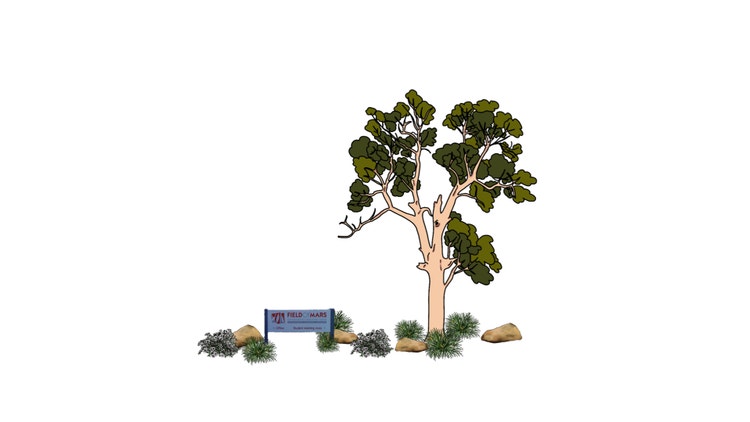
Field of Mars Reserve environment fact sheet
A protected Sydney bushland reserve with forests, creeks, tracks and habitats that support native plants, animals and fieldwork learning.
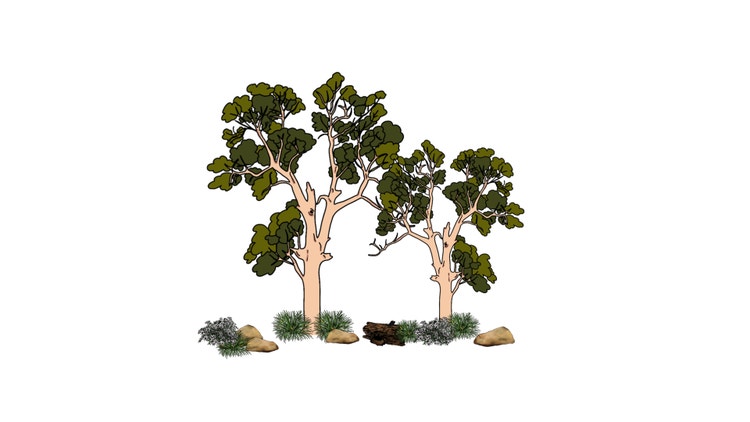
Eucalypt forest ecosystem fact sheet
A native forest dominated by eucalypt trees, with canopy, shrub and ground layers that provide habitat for many plants and animals.

River and creek environment fact sheet
Flowing freshwater environments where plants, animals, rocks, logs and banks form connected food webs and habitats.

Urban environment fact sheet
Cities and suburbs where built places, green spaces, waterways, people, plants and animals interact.

Mangrove forest ecosystem fact sheet
A tidal shoreline ecosystem where salt-tolerant trees grow in mud, protect the coast and provide habitat for fish, crabs and birds.

Coastal salt marsh ecosystem fact sheet
A tidal coastal ecosystem with salt-tolerant plants, muddy ground and shallow water that shelters birds, insects, crabs and other wildlife.
Wider NSW land environments

Agricultural environment fact sheet
Managed environments where crops, livestock, soil, water, people and wildlife interact to produce food and fibre.

Alpine and subalpine environment fact sheet
Cold mountain environments where snow, wind, water, plants and animals shape habitats, food webs and seasonal change.

Arid and semi-arid environment fact sheet
Dry inland environments where hardy plants, animals, soils and rainfall shape connected food webs.

Grassland ecosystem fact sheet
Open grassy ecosystems where native grasses, wildflowers, animals, sunlight and soil form connected food webs.

Heath ecosystem fact sheet
Low shrubland ecosystems where tough plants, sandy soils, insects, birds, reptiles and fire shape connected food webs.

Rainforest ecosystem fact sheet
Moist shaded forests where dense canopies, water, ferns, fungi, animals and decomposers form connected food webs.

Woodland ecosystem fact sheet
A woodland ecosystem with open tree cover, native grasses, shrubs, animals, sunlight and soil forming connected food webs.
Wider NSW water and coastal environments

Freshwater wetland ecosystem fact sheet
Wet ecosystems where fresh water, wetland plants, frogs, turtles, insects and waterbirds form connected food webs.

Estuary environment fact sheet
Estuary environments where rivers, tides, wetlands and sea water form connected habitats and food webs.

Beach, dune and rocky shore environment fact sheet
Coastal environments shaped by waves, tides, wind, sand movement, salt spray and rocky shore habitats.

Marine environment fact sheet
Saltwater environments where waves, tides, currents, plants and animals form connected ocean food webs.
Learn with us

Book now
Book a curriculum-aligned excursion or incursion where students investigate ecosystems, environments, habitats, food webs and human impacts.

Learning programs
Explore Field of Mars EEC programs that support Science, Geography and outdoor learning through fieldwork in local bushland, waterway and urban environments.

Learning resources
Use ecosystem and environment fact sheets and learning resources to support classroom learning about habitats, food chains, biodiversity and environmental change.

Flora and fauna fact sheets
Browse related fact sheets about plants, animals, habitats, food webs, Field of Mars Reserve, Sydney ecosystems and wider NSW environments.