Learning outside | Field of Mars EEC
Introduction
Learning outside is curriculum-based teaching and learning that uses real places as learning spaces. It can happen in bushland, parks, creeks, school grounds, gardens, streetscapes, local neighbourhoods and other urban environments.
At Field of Mars Environmental Education Centre, learning outside is central to everything we do. Students investigate real environments, collect evidence, ask questions, solve problems and connect classroom learning to the world around them. Outdoor learning is not a break from learning. It is a powerful way to teach syllabus content through direct experience.
What is curriculum-based outdoor learning?
Curriculum-based outdoor learning is planned teaching that happens outside the classroom and is linked to syllabus outcomes. It may include scientific investigations, geographical fieldwork, historical inquiry, mapping, data collection, nature observation, creative responses, movement, wellbeing activities and environmental action.
Outdoor learning helps students learn in, about and for the environment. Students use their senses, bodies, ideas and prior knowledge to make meaning from real places. They observe patterns, notice change, test ideas, compare evidence and reflect on their responsibilities as learners and citizens.

Fast facts – Learning outside
Curriculum – Outdoor learning supports syllabus outcomes through fieldwork, inquiry, investigation and reflection.
Places – Outdoor learning can happen in natural, built and cultural environments.
Students – Outdoor learning can support engagement, wellbeing, collaboration, curiosity and confidence.
Teachers – Outdoor learning provides authentic contexts for teaching knowledge, skills and understanding.
Families – Outdoor learning helps children connect school learning with real places and everyday life.
Environmental understanding – Outdoor learning helps students understand how living things, people and places are connected.
Why learn outside?
Students often understand ideas more deeply when they can see, hear, touch, measure and investigate them in a real place. A creek, tree, track, garden bed, street, playground or local park can become a living classroom where students apply knowledge rather than only read or hear about it.
Outdoor learning supports active investigation. Students can classify living things, test water quality, record weather, map land use, measure shade, compare temperatures, observe animal behaviour, investigate erosion, collect data, sketch features, write creatively or discuss how people care for places.
Research suggests that well-planned outdoor learning can support academic learning, social and emotional development, wellbeing, attention, working memory, engagement and connection to nature. These benefits are strongest when outdoor learning is purposeful, safe, repeated and connected to classroom learning.

Learning in natural environments
Natural environments give students direct experience with living things, habitats, ecosystems, weather, landforms and seasonal change. Bushland, wetlands, parks, waterways and reserves allow students to observe relationships between plants, animals, fungi, soil, water, sunlight and human activity.
In natural environments, students can investigate biodiversity, adaptations, food chains, plant life cycles, animal evidence, habitats, water flow, erosion, fire, weeds, pollution and conservation. These experiences help students understand that environments are dynamic systems that change over time.
Natural environments also support wonder, curiosity and care. When students spend time in a place, they often begin to notice details that are easy to miss indoors. This can build environmental awareness and a stronger sense of responsibility for local places.

Learning in urban environments
Outdoor learning does not need untouched bushland. Urban environments are rich learning spaces. School grounds, streets, parks, drains, buildings, transport routes, playgrounds, sporting fields, walls, footpaths and gardens all help students investigate how people design, use, manage and change places.
Urban outdoor learning can support Science, Geography, History, Mathematics, English, Creative Arts, PDHPE and sustainability learning. Students can investigate shade and heat, materials, water movement, sound, traffic, accessibility, liveability, waste, biodiversity, playground design, local histories and the needs of different users.
Urban environments also help students understand that nature is not separate from everyday life. A street tree, garden bed, stormwater drain, school oval, patch of weeds or bird on a fence can start meaningful learning about habitats, ecosystems, human impacts and environmental management.

Learning on Country
Outdoor learning takes place on Country. Learning on Country can support students to understand that places hold cultural, historical, ecological and social meaning. Aboriginal Peoples have cared for Country for tens of thousands of years and continue to hold deep knowledge of local places.
Aboriginal perspectives should be taught respectfully, accurately and in context. Schools should work with local Aboriginal communities, Knowledge holders and appropriate protocols when planning local cultural learning. Outdoor learning can help students understand that Country is not only a location. It includes relationships between people, plants, animals, land, water, stories, language, culture and responsibility.

How outdoor learning supports curriculum
Outdoor learning supports curriculum by giving students authentic reasons to use knowledge and skills. Students can ask questions, make predictions, collect and represent data, compare observations, use maps, explain change, create artworks, write texts, discuss values and propose actions.
In Science and Technology, students can investigate living things, materials, forces, Earth systems, digital tools and designed solutions. In HSIE and Geography, students can investigate places, environments, interconnections, sustainability, liveability and change. In History, students can explore local sites, stories, sources and continuity. In English and Creative Arts, students can respond to places through speaking, writing, drawing, photography, film and performance. In PDHPE, students can build confidence, movement skills, teamwork and personal wellbeing.
Outdoor learning also supports general capabilities. Students practise critical and creative thinking, collaboration, ethical understanding, intercultural understanding and personal and social capability as they work with others in real situations.

Why environmental education centres matter
Environmental Education Centres and Zoo Education Centres support schools to make outdoor learning safe, purposeful and curriculum-aligned. They provide specialist teaching, fieldwork opportunities, resources, local site knowledge and professional learning for teachers.
Field of Mars Environmental Education Centre supports students and teachers to learn in natural, built and cultural environments. Programs are designed to help students investigate real places, develop fieldwork skills, build environmental understanding and connect learning to syllabus outcomes.
Centres also help teachers build confidence. Many teachers value outdoor learning but face barriers such as time, risk management, access to suitable sites, curriculum pressure and uncertainty about how to teach outside. Environmental education centres help schools turn outdoor spaces into effective learning spaces.

For teachers
Outdoor learning works best when it is planned with a clear curriculum purpose. A successful outdoor lesson does not need to be complicated. It needs a strong question, a suitable place, safe routines, simple equipment, time for observation and a clear link back to classroom learning.
Teachers can start small. A playground, tree, garden, wall, drain, slope, path or patch of shade can become a useful learning site. Repeated visits to the same place can be especially powerful because students notice change, build familiarity and ask more detailed questions over time.
Outdoor learning can also improve teacher practice. It encourages flexible teaching, questioning, student agency and responsive use of local places. It can help teachers see students’ strengths in new ways, particularly when students learn best through movement, observation, collaboration or practical investigation.

For parents and carers
Outdoor learning gives children opportunities to learn through real experiences. It helps them connect school learning with the places they know, visit and care about. Children may come home talking about insects, birds, rocks, trees, maps, weather, water, Aboriginal perspectives, local history or ways to care for the environment.
Outdoor learning also supports wellbeing. Time outside can provide movement, fresh air, social interaction, curiosity, calm and challenge. Students learn to manage themselves in different settings, follow safety instructions, work with others and take appropriate responsibility.
Parents and carers can support outdoor learning by encouraging children to notice local places, ask questions, spend time outside, dress for the weather and talk about what they observed. Everyday places can become learning places.

How to support learning outside
Schools can support outdoor learning by using school grounds and local places regularly, booking curriculum-aligned excursions and incursions, planning fieldwork across stages, and giving teachers professional learning in outdoor pedagogy.
Students can support outdoor learning by being curious, respectful and prepared. They can observe carefully, ask thoughtful questions, record evidence, listen to others and care for the places they visit.
Families can support outdoor learning by valuing time outside, discussing local environments, encouraging safe exploration and helping children understand that learning happens in many places, not only inside classrooms.

Conclusion
Learning outside helps students connect knowledge with experience. It makes curriculum visible, active and meaningful. Whether students are investigating bushland, a creek, a school playground or a city street, outdoor learning helps them understand places, people, environments and their own role in caring for the world around them.
Field of Mars Environmental Education Centre uses outdoor learning to support students, teachers and schools through curriculum-aligned excursions, incursions and professional learning. Learning outside is not an add-on. It is an effective way to help students connect curriculum learning with the world they live in.
Attributions
References
References
Alla, K., & Truong, M. (2024). Nature play and wellbeing. Australian Institute of Family Studies.
Australian Curriculum, Assessment and Reporting Authority. (n.d.). Curriculum connection: Outdoor learning. Australian Curriculum.
Barber, P., Cox, M., Watt, A., & Carpenter, C. (2026). Outdoor education in Australian secondary schools – a domain evaluation. Journal of Outdoor and Environmental Education, 29, 111–135.
Frances, L., Quay, J., & Allen-Craig, S. (2024). Outdoor learning across the early years in Australia. The Australian Educational Researcher.
Harper, A., Gray, T., & Hespos, S. (2026). Nature play as a catalyst for outdoor learning, engagement and wellbeing in Australian primary students. Education Sciences, 16(3), 492.
Harper, A., & Gray, T. (2026). Children’s participation in Bush School: Insights into parental understanding and support for nature play. Humanities and Social Sciences Communications, 13, 662.
Jackson-Barrett, E., & Lee-Hammond, L. (2018). Strengthening identities and involvement of Aboriginal children through learning on Country. Australian Journal of Teacher Education, 43(6), 86–106.
Lloyd, A., & Gray, T. (2014). Place-based outdoor learning and environmental sustainability within Australian primary schools. Journal of Sustainability Education.
Mann, J., Gray, T., Truong, S., Brymer, E., Passy, R., Ho, S., Sahlberg, P., Ward, K., Bentsen, P., Curry, C., & Cowper, R. (2022). Getting out of the classroom and into nature: A systematic review of nature-specific outdoor learning on school children’s learning and development. Frontiers in Public Health, 10, 877058.
Vella-Brodrick, D. A., & Gilowska, K. (2022). Effects of nature (greenspace) on cognitive functioning in school children and adolescents: A systematic review. Educational Psychology Review, 34, 1217–1254.
Wilks, J., Werner, M., & Turner, A. (2024). Taking the kids to the park: On-Country learning about climate change. Centre for Professional Learning, NSW Teachers Federation.
Image attributions
All images – Field of Mars Environmental Education Centre (original images).
Learn with us

Book now
Check available dates and book a curriculum-aligned excursion or incursion with Field of Mars Environmental Education Centre.

Learning programs
Explore primary and secondary excursions and incursions that use natural, built and cultural environments as learning spaces.
Learning resources
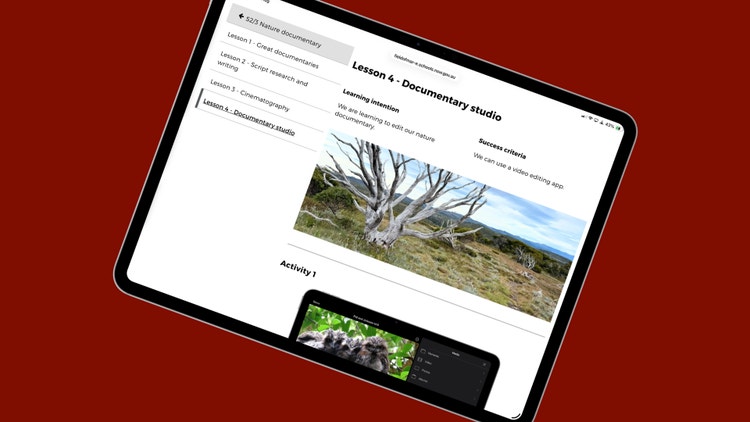
Find online lessons and classroom activities that support outdoor learning, fieldwork skills and environmental understanding.
Flora and fauna fact sheets
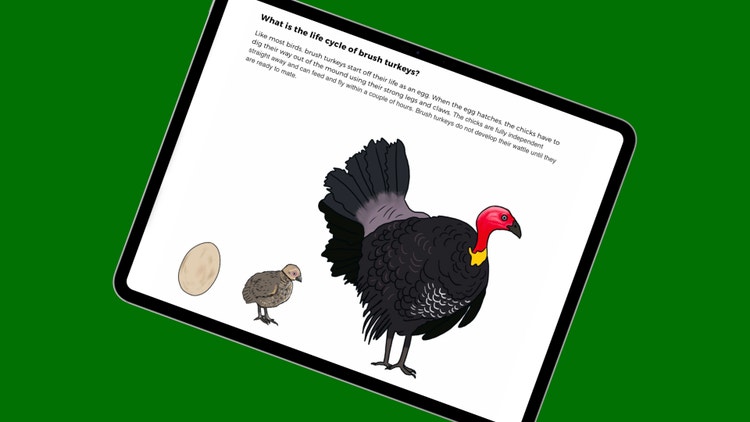
Learn more about Australian plants, animals, habitats and ecosystems through our student-friendly fact sheets.