Lesson 2 | Improving habitats | Field of Mars EEC
Lesson overview
Students assess the quality of a garden or local park as habitat for wildlife using a habitat score-card. Then, working with teacher/parents, they plan and carry out simple habitat improvements like adding logs, leaf litter, plants or water sources to make the space more wildlife-friendly and support biodiversity.
Learning intention
- We are learning about improving an environment.
Success criteria
- We can improve an environment.
Activity 1 - Is your garden or local park a healthy habitat?
Some gardens are great at providing homes for animals. The best habitat gardens have leaf litter, lots of plants, rocks, logs and water.
Tasks
- Go outside to a garden or a local park.
- Download and use the Habitat score card to rate the area.
- What did you find lots of?
- What do you think the environment needs more of?
- What kind of animals might live here?
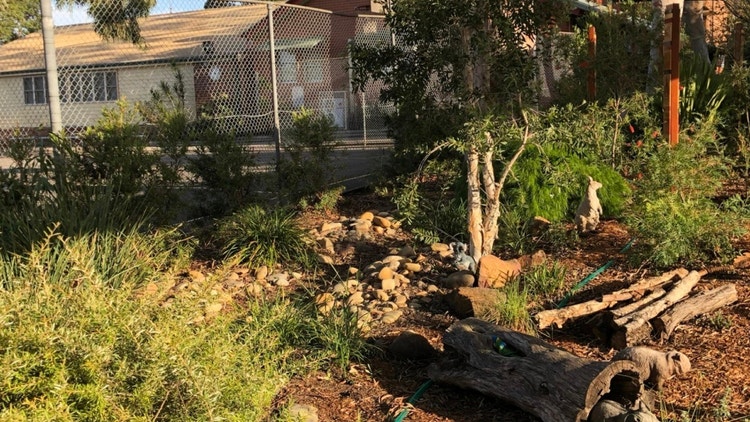
A bush garden with lots of habitats.
Activity 2 - How can I improve an environment for small animals?
It's easy to make a garden better for animals. You just need to create more habitats.
Tasks
With the help of your parents or teacher choose a small garden you would like to improve.
- Plant some plants.
- Add rocks, leaf litter and logs.
- Add water – make a birdbath out of an old bowl.
- View the habitat fact sheets for more ideas.
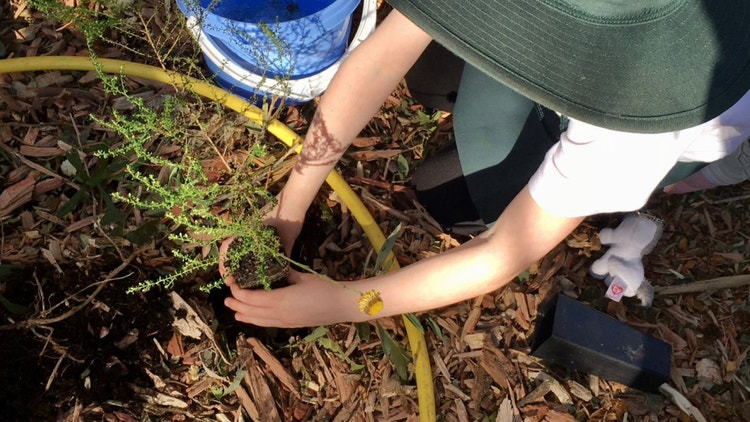
Planting a shrub for habitat.
Learn with us

K-6 excursions and incursions
Explore our Science, Geography, HSIE, History, PDHPE, Creative Arts and English curriculum-aligned primary excursions and incursions.

Learning resources
Find more primary learning resources from Field of Mars EEC.

Flora and fauna fact sheets
Discover over 100 curriculum-aligned fact sheets about Australian animals plants habitats ecosystems and environments perfect for NSW primary students.