Habitat fact sheets | Field of Mars EEC
Explore Field of Mars EEC habitat fact sheets for NSW primary and secondary students and teachers. These resources explain how leaf litter, ground cover, shrubs, trees, rocks, logs and water provide food, shelter, breeding places and protection for living things in Sydney bushland, school grounds and local environments.
Use these fact sheets to support learning about living and non-living features, biodiversity, food webs, adaptations, habitat diversity and the links between habitats, ecosystems and environments.
Habitats fact sheet
Learn what habitats are, what living and non-living features they include, and why habitat diversity supports biodiversity.
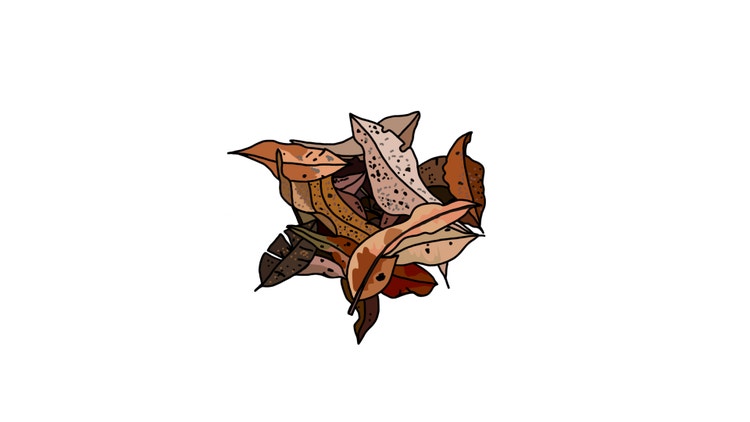
Leaf litter habitat fact sheet
Explore how fallen leaves, bark, twigs and fungi create moist shelter, food and hunting places for invertebrates, reptiles and decomposers.
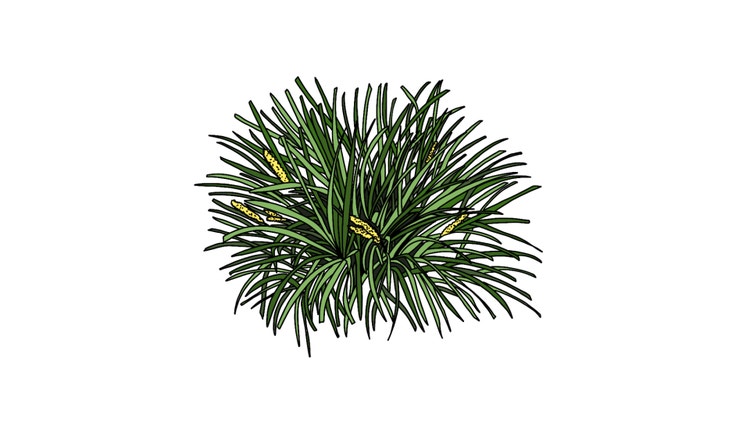
Ground cover habitat fact sheet
Explore how grasses, ferns, herbs and low plants protect soil, hide small animals and provide seeds, flowers and shelter.
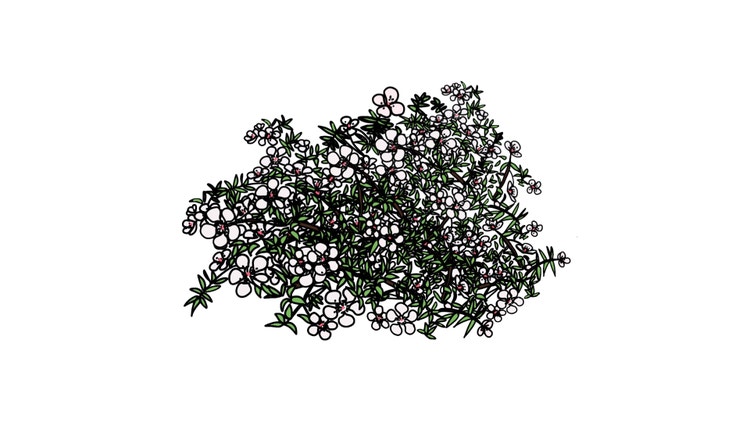
Shrub habitat fact sheet
Explore how shrubs provide dense shelter, flowers, seeds, nesting places and hunting spaces for birds, insects, spiders and small mammals.
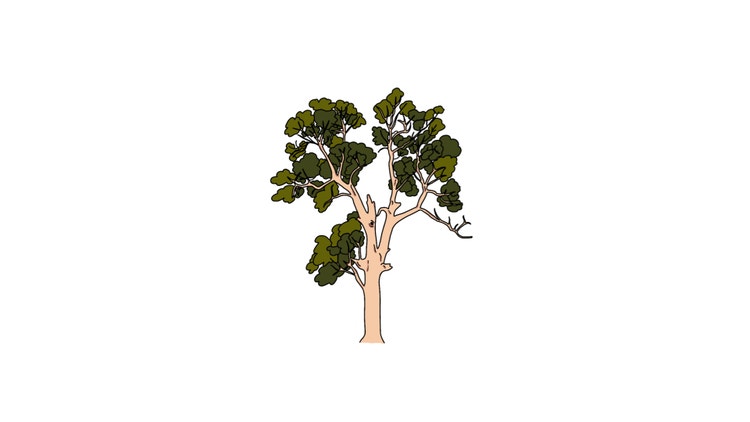
Tree habitat fact sheet
Explore how trunks, bark, branches, leaves, flowers and hollows provide feeding, nesting and shelter places above the ground.
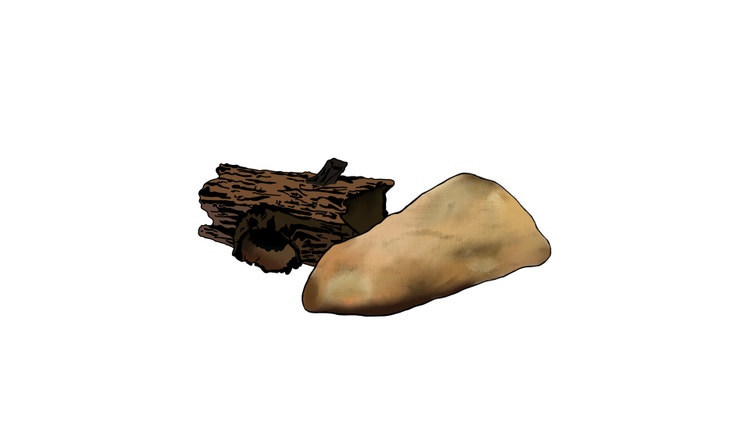
Rock and log habitat fact sheet
Explore how rocks and fallen logs create warm basking spots, cool moist shelters, crevices and decomposing wood habitats.

Water habitat fact sheet
Explore how ponds, creeks, wetlands, puddles and damp places support aquatic plants, frogs, insects, birds and other animals.
Learn with us

Book now
Book a curriculum-aligned excursion or incursion where students investigate habitats, living and non-living features, food webs and biodiversity.

Learning programs
Explore Field of Mars EEC programs that support learning about leaf litter, ground cover, shrubs, trees, rocks, logs, water habitats and local environments.

Learning resources
Use habitat fact sheets and learning resources to support classroom learning about food, water, shelter, space, adaptations and habitat diversity.

Flora and fauna fact sheets
Browse related fact sheets about Australian plants, animals, invertebrates, reptiles, birds, mammals, habitats, ecosystems and environments.