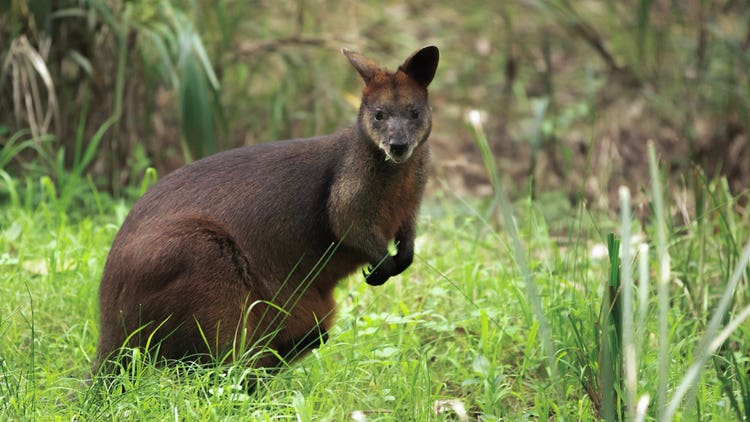
Adaptations | Science student learning resource | Field of Mars EEC
Resource overview
Adaptations is a Stage 3 science learning resource from Field of Mars Environmental Education Centre that builds students’ understanding of how living things survive through structural and behavioural adaptations. Students investigate features and survival strategies, develop explicit science communication skills, and follow a science detective narrative to practise vocabulary, explanation writing and field-style investigation methods; the lessons connect directly to the Adaptations incursion or excursion.
To guide their learning, students work with Sherlock Holmes and Dr Watson’s Science Detective Agency, along with characters like The Explorer, Aussie Pat and Amalina the Investigator.
Learning intention
- We are learning about the structural and behavioural adaptations of living things.

The Explorer
The Explorer works with students making sure they are ready to explore the science of living things and how they survive in their environments.
He will help you navigate the language we use when studying adaptations.
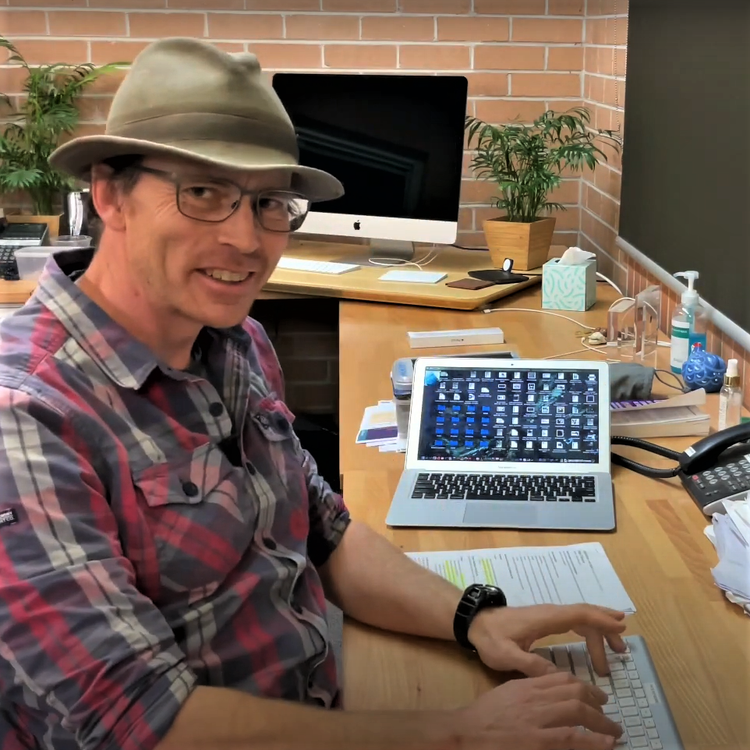
Aussie Pat
Pat is a keen observer who has a knack for spotting adaptations.
He will help you learn how to identify features on your own body that are adaptations.
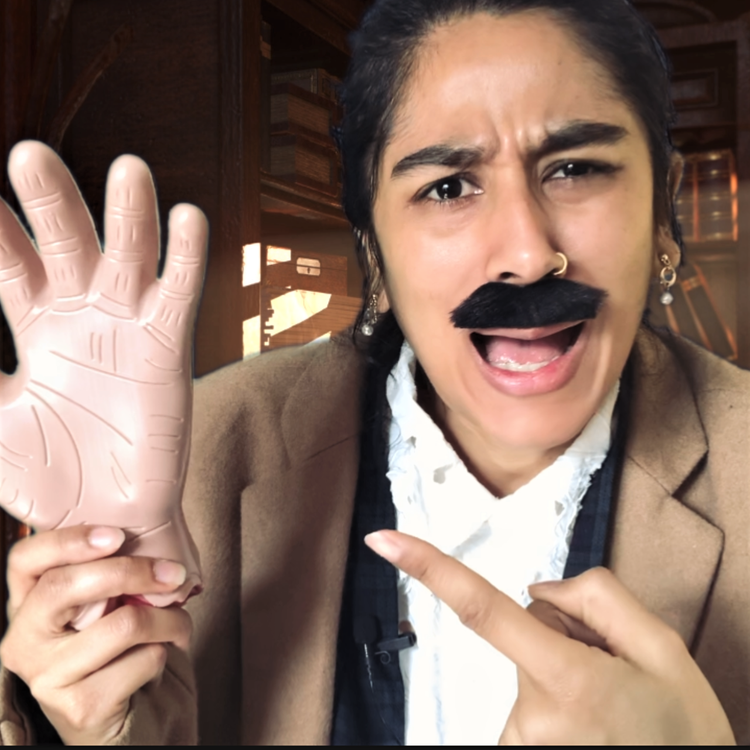
Sherlock Holmes
Is an expert in adaptations and science communication and love to set challenges for people.
Along with Dr Watson they will help you learn how to elegantly explain adaptations.

Dr Watson
Is an expert in adaptations and science communication and love to set challenges for people.
Along with Sherlock Holmes they will help you learn how to elegantly explain adaptations.
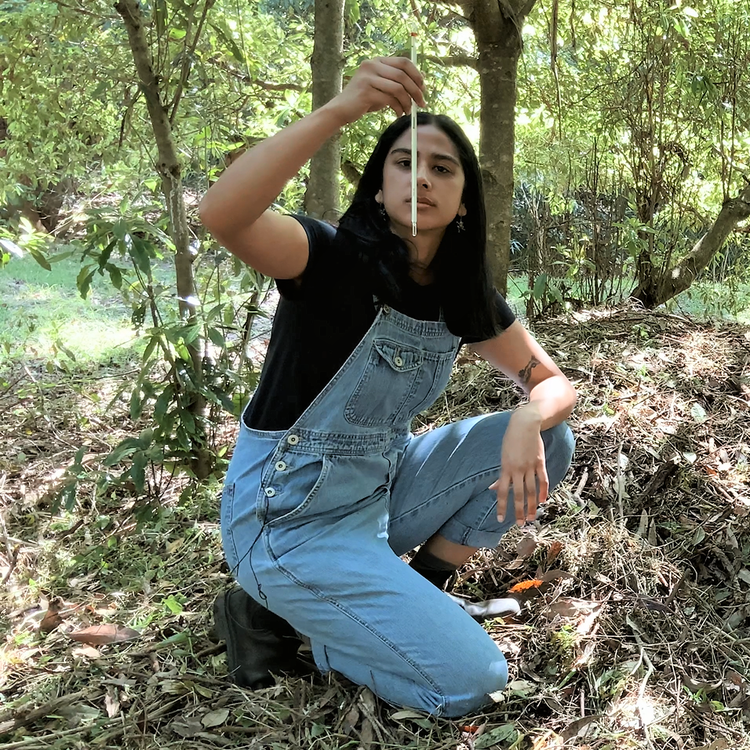
Amalina the Investigator
Amalina is a brave adventurer who loves finding and investigating living things.
She will show you how she uses scientific thinking and methods to investigate what she suspects is an adaptation of a curious beast.
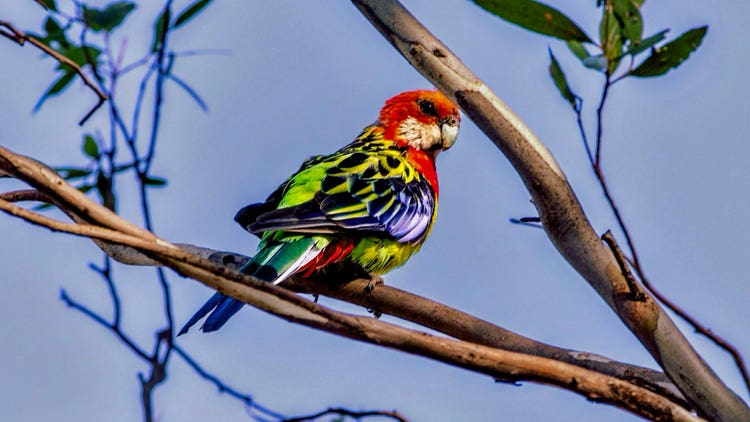
Lesson 1 - Survival of living things
Students review key science vocabulary and ideas about living things and survival by watching a video and completing a quiz on the language of survival.
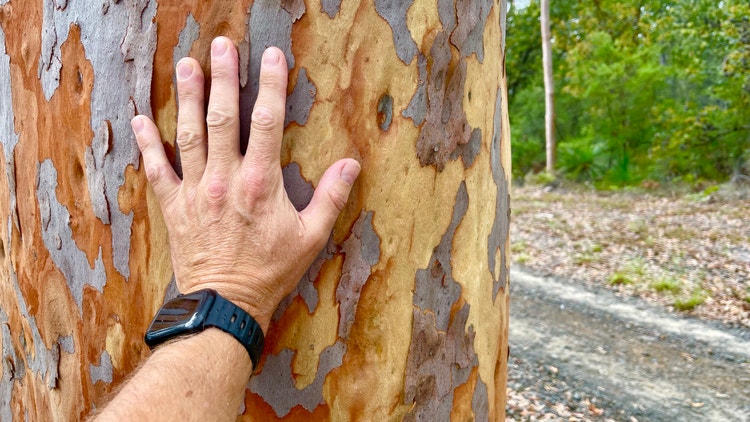
Lesson 2 - Human adaptations
Students use their own bodies as case studies to identify structural and behavioural adaptations that help humans survive in their environment.
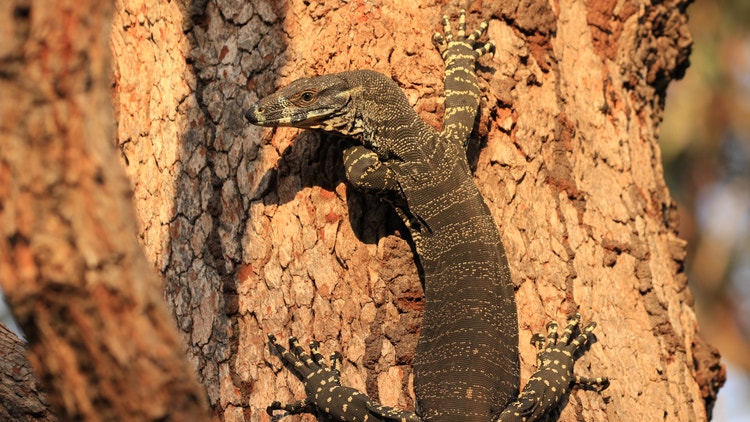
Lesson 3 - Explaining adaptations
Students research a plant or animal, then use Sherlock’s explanation formula to write and present a clear explanation of one adaptation.
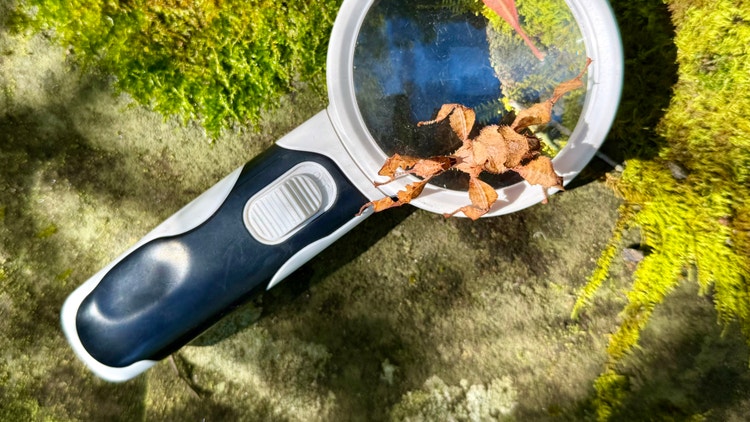
Lesson 4 - Investigating adaptations
Students learn how scientists investigate adaptations in the field by watching a brush turkey investigation, then answer questions about scientific thinking, data collection and conclusions.
Learn with us
Learning resources
Discover more primary learning resources from Field of Mars EEC.
Adaptations excursion
A field-based science and technology excursion where students investigate structural and behavioural adaptations of plants and animals in bushland and creek environments at Field of Mars Reserve, linking features to survival in their environments.
Adaptations incursion
A science incursion where students investigate structural and behavioural adaptations of animals, linking features to survival in Australian environments and changing conditions.
AR adaptations incursion
A digital science and technology incursion where students use augmented reality (AR) and design tools to visualise and create animals with specific adaptations, then explain how their features help them survive.