
Landscapes and landforms excursion | Stage 4 Geography
Program overview
Landscapes and landforms is a Stage 4 Geography excursion along the Lane Cove River where students investigate the features and characteristics of a riverine landscape. As they walk a section of the Great North Walk, students identify landforms, examine the geomorphic processes that shape them and consider how people value and protect landscapes.
Using topographic maps, field sketches, sound mapping, observations and hands-on investigations, students collect and communicate qualitative and quantitative geographical information. The program develops fieldwork and geographical inquiry skills while exploring environmental management and Aboriginal Peoples’ Knowledges and Practices for caring for Country.
Fieldwork inquiry
- What are the features and characteristics of a riverine landscape?
- What geomorphic processes of tectonic activity, weathering, erosion and deposition create and shape the riverine landscape?
- How do people value and protect riverine landscapes?
- What Knowledges and Practices are used by Aboriginal Peoples to manage and care for Country?
Jump to: Program and curriculum | Essential information | Prepare for fieldwork | Location | Extend learning | Related programs


Program and curriculum information
Fieldwork activities
Activities may change to suit student needs, timing and weather conditions.
Mapping and landscape orientation
Students use a large-scale topographic map to identify BOLTSS features, complete the map legend and locate their start and finish points. They interpret contour lines, the river channel, vegetation and mapped land uses to orient themselves within the Lane Cove River Valley.
Characterising a riverine landscape
Students build geographical vocabulary through a landscape and landform scavenger hunt before completing a structured field sketch. They investigate the atmospheric, biological, hydrological and geological characteristics of a selected natural landscape, then create a sound map and graph to compare natural and human-induced sounds and explain how sound influences perceptions of place.
Geomorphic processes and landforms
Students use a geological timeline and field evidence to explain how sediment deposition, tectonic uplift, sea-level change, weathering, erosion and deposition created and continue to shape the Lane Cove River Valley. They identify and classify erosional and depositional landforms and record evidence of physical, chemical and biological weathering.
Values, Country and management
Students record aesthetic qualities and identify recreational and cultural uses of the river valley. They estimate the relationship between built and natural features to explain human modification of the landscape, investigate how Aboriginal Peoples’ sustainable tools demonstrate Knowledges and Practices for caring for Country, and explain how signs and other observed management strategies protect people and places.
Worksheet and supporting resources
Student worksheet
Field of Mars EEC provides each student with a workbook for this program.
Preview the Landscapes and landforms student workbook.
The workbook is password protected and available to teachers after booking. Contact Field of Mars EEC to request the password.
Teacher and student resources
Download the Eucalypt forest - Digital Book for iPads and Macs
View the Fieldwork techniques learning resource.
Suggested timetable
Time |
Activities |
| 9.30 - 10.00 | Introduction, fieldwork preparation, food break and toilets at the start location |
| 10.00 - 12.00 | Bushwalk and fieldwork activities |
| 12.00 - 12.30 | Food break at a location beside the Lane Cove River |
| 12.30 - 2.00 | Bushwalk and fieldwork activities |
| 2.00 - 2.15 | Arrive at the finish location, conclusion, food break, toilets and depart |
The timetable may change according to class numbers, selected walking routes, student learning needs and weather.
Syllabus outcomes and content
Students will learn to
- identify and describe the features and characteristics of a riverine landscape
- use a large-scale topographic map to interpret landforms, vegetation, land uses and locations
- collect qualitative and quantitative primary data using geographical fieldwork methods
- explain how sediment deposition, tectonic uplift, sea-level change, weathering, erosion and deposition create and shape landscapes and landforms
- identify erosional and depositional landforms and evidence of physical, chemical and biological weathering
- explain how built features and human uses modify a riverine landscape
- investigate the aesthetic, recreational and cultural value of a riverine landscape
- explain how local management strategies protect people, landscapes and landforms
- explain how Aboriginal Peoples’ Knowledges and sustainable Practices support the care and management of Country
- communicate geographical observations and conclusions using maps, field sketches, graphs, concepts and terminology
NSW Geography 7–10 Syllabus (2024)
Focus area
Landscapes and landforms
Outcomes
- GE4-DFC-01 – locates the diverse features and describes the characteristics of a range of places and environments
- GE4-PRI-01 – explains the processes and interactions that change people, places and environments
- GE4-MAN-01 – explains the management and protection of places and environments
- GE4-APC-01 – explains Aboriginal Peoples’ Custodianship, care and management of Country
- GE4-TAP-01 – selects and uses geographical tools to acquire and process geographical information
- GE4-COM-01 – uses concepts and terminology to communicate geographical information for a range of purposes, audiences and contexts
Content
Thinking and working geographically
- Use relevant geographical concepts
- Engage in geographical inquiry using geographical information
- Use relevant geographical tools
Dynamic landscapes and landforms
- Location and features of a variety of landscapes and landforms
- Geomorphic processes of tectonic activity, weathering, erosion and deposition that create and shape landscapes and landforms
- Human impacts that modify landscapes and landforms
The value and protection of landscapes and landforms
- Recreational and cultural value of landscapes and landforms
- Protection of landscapes and landforms
- Knowledges and Practices used by Aboriginal Peoples to manage and care for Country
Geography 7–10 Syllabus (2024) © NSW Education Standards Authority for and on behalf of the Crown in right of the State of New South Wales, 2024.
Vocabulary
Essential information
Cost, class numbers and booking
Cost
DoE $27 per student – GST free
Non-government school $37 per student – GST free, minimum charge $750 per class
Classes
Maximum 10 classes, with up to 30 students per class.
Classes are distributed across up to three walking routes and four start or finish locations. Contact Field of Mars EEC to plan routes for larger bookings.
Program costs
Program costs may change. If program costs change after you book, you will be charged at the original cost.
Booking policy
Confirm final student numbers and classes 7 working school days before the program.
Risk assessment, route and accessibility
Access risk assessment, transport and site information for the allocated excursion locations:
This excursion involves a one-way walk along a section of the Great North Walk. Start and finish locations depend on the number of classes attending. Contact Field of Mars EEC before arranging transport if you require assistance planning your route.
The program includes extended bushwalking on uneven natural tracks, sandstone steps and other rugged terrain. The walking routes are not wheelchair accessible.
Students who are unwell should not attend.
Classroom teachers are expected to attend and actively supervise students throughout the excursion.
Notify Field of Mars EEC before the visit about medical, mobility, sensory, communication or other support needs so reasonable adjustments can be considered.
What to bring and prepare
School preparation
- Print one worksheet for each student
- Organise students into suitable working groups
- Ensure students bring writing materials and a clipboard
- Confirm the allocated start and finish locations before arranging transport
- Share route and transport information with all attending teachers and bus drivers
- Review relevant fieldwork techniques and supporting resources
- Advise Field of Mars EEC of learning, medical or access requirements
Students should bring
School sports uniform, backpack, medication, low-waste food, water bottle, sunscreen, raincoat, hat, sturdy enclosed shoes, pencils, clipboard and a reusable name tag.
Weather, cancellations and rescheduling
The program may be modified, postponed or cancelled because of predicted extreme temperatures, bush fire danger, heavy rainfall, high winds or dust storms.
Cancellation or rescheduling with less than 30 school days’ notice before the booking date – $650
Cancellation with less than 14 school days’ notice before the booking date – full program cost
Cancellation due to unsafe weather or fire danger – $0
Prepare for secondary fieldwork

Preparing for your excursion
Find information about clothing, equipment, transport, arrival procedures, safety and preparing students for outdoor fieldwork.
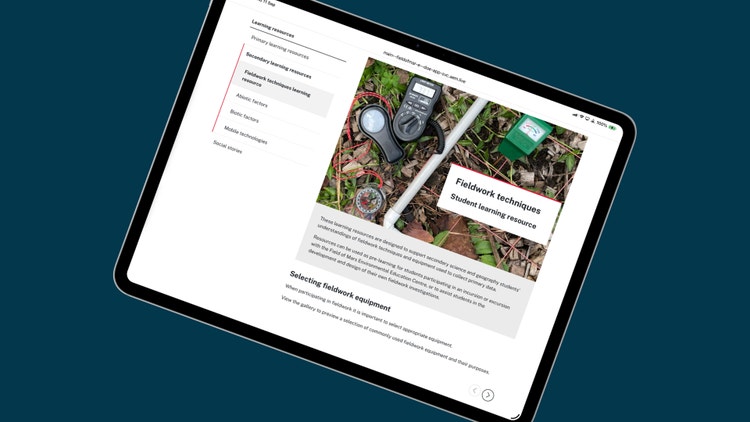
Fieldwork techniques
Help students prepare to use maps, field sketches, observations, geographical tools and field data-recording techniques.
Locations
Start and finish locations
This excursion involves a one-way walk along a section of the Great North Walk. Walking routes are dependent on the number of classes in attendance. Please contact the centre for planning assistance.
Walking route |
Locations |
Central walk - up to 4 classes |
2 classes Finish – Buffalo Creek Reserve 2 classes |
Southern walk - up to 4 classes |
2 classes Finish – Buffalo Creek Reserve 2 classes |
Northern walk - up to 2 classes |
2 classes |
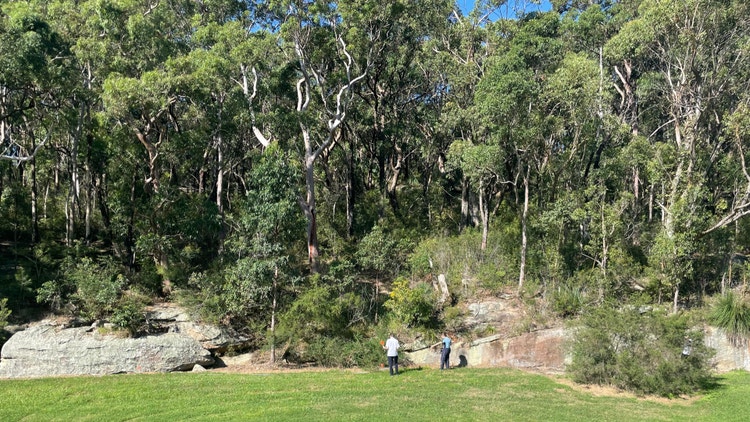
Magdala Park
Central and northern walk
Find risk assessment information, risk management advice, bus access details and walking track information for Magdala Park.
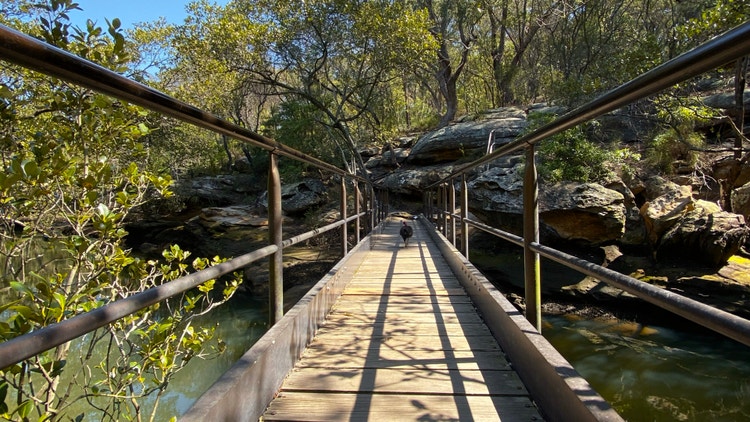
Buffalo Creek Reserve
Central and southern walk
Find risk assessment information, risk management advice, bus access details and walking track information for Buffalo Creek Reserve.
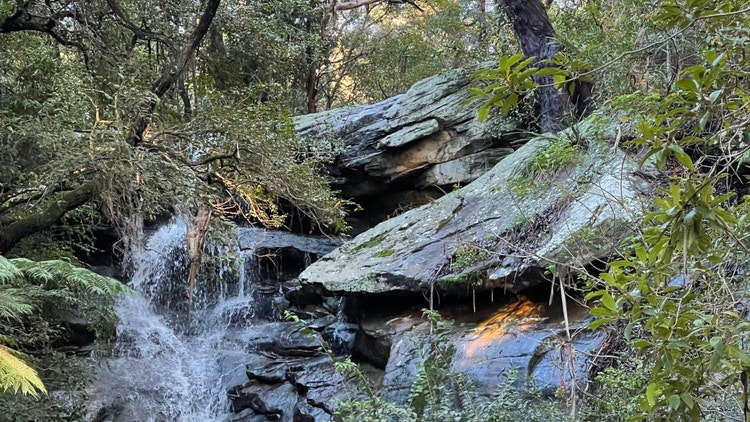
Boronia Park
Southern walk
Find risk assessment information, risk management advice, bus access details and walking track information for Boronia Park.

Rotary Athletics Field
Northern walk
Find risk assessment information, risk management advice, bus access details and walking track information for the Rotary Athletics Field.
Extend student learning
Use these student-friendly fact sheets before or after your Landscapes and landforms excursion to support fieldwork on riverine landscapes, geomorphic processes, landform features and environmental management.
- River and creek environment fact sheet – Learn how water flow, creek banks, erosion, deposition, plants and animals shape river and creek environments.
- Estuary environments fact sheet – Explore places where freshwater and saltwater mix and support connected plants, animals, sediments and food webs.
- Mangrove forest ecosystem fact sheet – Discover tidal mud, mangrove roots, seedlings, crabs, fish nurseries and estuary food chains.
- Coastal salt marsh ecosystem fact sheet – Learn about low tidal wetlands with salt-tolerant plants, mud, shallow water and changing conditions.
- Eucalypt forest ecosystem fact sheet – Compare riverine environments with nearby forest ecosystems, slopes, soils, plants and habitats.
- Rock and log habitats fact sheet – Learn how rocks, crevices, logs, soil and shelter create small habitats within larger landscapes.
Learn with us

Book this excursion
Book this Stage 4 Geography excursion using our online booking form.
Supporting resources
Access fieldwork techniques, worksheets, digital resources and classroom learning that support secondary Geography excursions.
Related Stage 4 Geography programs
Water in the world excursion
Investigate water resources, hydrological processes, water quality, cultural values and catchment management along the Lane Cove River.
Liveability of places excursion
Assess the natural and built features of urban places and collect geographical data about environmental quality, community connections and liveability.