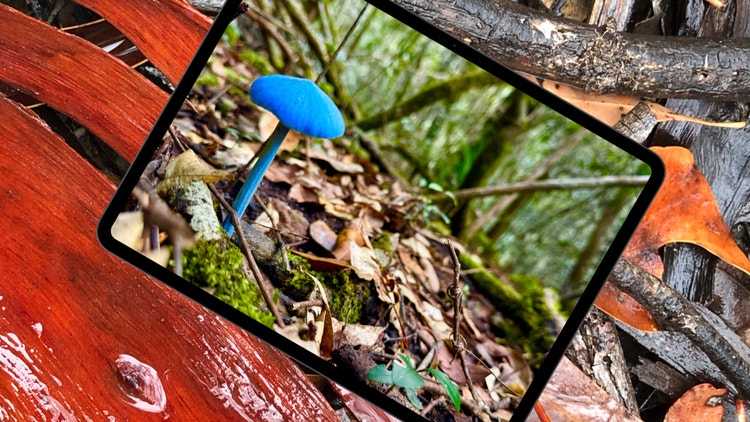
Bush studio photography HPGE | Stage 2–3 Creative Arts
Program overview
Bush studio photography is a Stage 2 and 3 Creative Arts HPGE enrichment program where students use printing and drawing as a launch point for learning basic photography techniques and creating digital artworks inspired by Field of Mars Reserve. Students explore approaches such as cyanotype printing and core compositional techniques, then edit on iPads and select one photo or composed artwork to be printed and framed. HPGE domains: creative, intellectual.
Also available is the Photographer HPGE enrichment program, which provides further depth in digital photography and image editing.
Learning intention
- We are learning to represent the natural world by creating and manipulating images using both analogue and digital photography techniques.

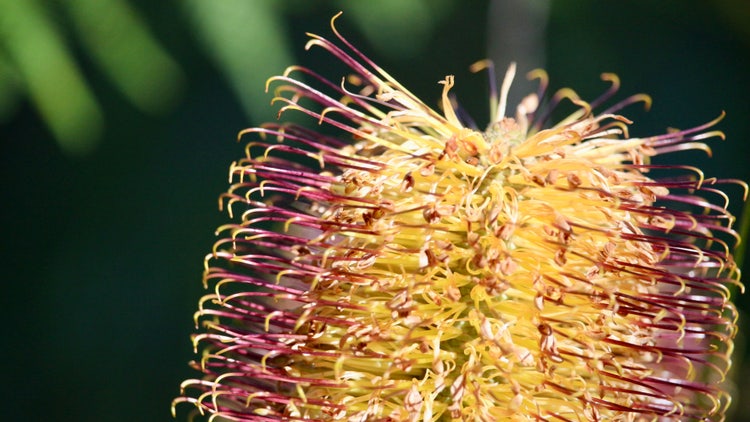
Essential information
Cost, risk assessment and details
Cost |
$60 per student - GST free This will be processed through the student's home school. This program is only available to NSW Department of Education school students. |
Dates |
Available dates |
Times |
9.15 – Drop off 2.15 – Pick up |
Risk assessment |
Field of Mars Reserve risk assessment - main location |
Transport |
Schools are required to organise transport for students to and from the location. No vehicles are permitted into Field of Mars Reserve. |
Staff |
Teachers are not required to attend but are welcome. |
Student selection |
Maximum 12 students per school per day. When choosing your students, remember the program takes place indoors, outdoors and in public spaces. Students may be near creeks and bushland tracks. While EEC teachers supervise them all day, consider if they’ll need SLSO or teacher support to stay safe. |
Bring |
Sports uniform, backpack, medication, low-waste food, water bottle, sunblock, raincoat, hat, sturdy shoes, reusable name tag. |
View |
Preparing for your excursion |
Welfare |
Participants will be walking during the day on an accessible boardwalk. Wheelchair accessible. May not suit recently unwell participants. For medical or special needs notify staff prior to program. |
Extreme or wet weather |
Program may be modified, postponed or cancelled due to predicted extreme temperatures, bush fire danger, heavy rainfall, high winds or dust storms. |
Booking policy |
Confirm student details 7 days in advance. |
Cancellation fee |
Less than 4 weeks notice – full cost Weather or fire danger cancellation – $0 |
Activities
Introduction
Students investigate how Barkindji artist Kent Morris uses photography, reflection and digital manipulation to represent place and create meaning. They identify how viewpoint, composition and image transformation influence the interpretation of photographs and use these ideas to guide their own photographic experiments.
Observing
Students closely observe natural forms, patterns, shapes and textures at different scales. They explore how light exposure creates a cyanotype image and use observational drawing to record visual ideas for later photographic compositions.
Photography
Students use Field of Mars EEC iPads to photograph natural subjects across Field of Mars Reserve. They apply the rule of thirds, leading lines, framing, viewpoint, focus, scale and composition and use observational drawings, patterns and shapes as source material for later image manipulation.
Students will create a catalogue of patterns and shapes found in nature using observational drawing and photography that can later be used to remix their photographs into composed artworks with distinct meaning. Each student will explore a range of environments and use a Field of Mars EEC supplied iPad to select photo subjects, compose and frame shots, and identify creative ways to express their photographs.
Reflections
Students investigate how mirrors can create reflection, depth, repetition and visual illusion in photography. They arrange natural and made materials into three-dimensional compositions and photograph them from different perspectives, considering viewpoint, framing, focus and scale.
Mix up
Students review and select photographs according to purpose, visual impact and technical quality. Using digital editing applications, they crop, adjust and combine images to create an intentional photographic artwork inspired by their investigation of Kent Morris. Each student selects one photograph or composed artwork to be printed, framed and returned to the school.
Portfolio
Students curate selected photographs and composed artworks into a PDF portfolio. They organise the images to communicate their photographic investigations and creative development. The completed portfolio is shared with the school through Google Drive.
Facilitator - Emily Besser
This program is supported by the NSW DoE Arts Unit.
This program is only available to NSW Department of Education school students.
Explore related fact sheets
Use these student-friendly fact sheets before or after your Bush studio photography HPGE enrichment program to support close observation, image making, composition and nature-inspired digital art.
- Field of Mars Reserve fact sheet – Explore the bushland environment students use for photography, reflections, cyanotype-inspired work and digital image making.
- Eucalypt forest ecosystem fact sheet – Learn about the forest ecosystem students photograph, observe and reinterpret through digital artworks.
- Plant fact sheets – Explore native plants with shapes, colours, patterns and textures suitable for close-up photography.
- Tree habitats fact sheet – Discover bark, branches, flowers, hollows and canopy features that can become photographic subjects.
- Leaf litter habitats fact sheet – Learn about small forest-floor details that support macro photography and close observation.
- Habitat fact sheet – Learn how living and non-living features create places where organisms can survive.
Timetable
Time |
Activities |
| 9.15 | Arrival |
| 9.30 - 9.15 | Introduction |
| 9.45 - 10.15 | Observing |
| 10.15 - 10.30 | Recess |
| 10.30 - 11.30 | Photography or reflections |
| 11.30 - 12.30 | Refections or photography |
| 12.30 - 1.00 | Lunch |
| 1.00 - 2.00 | Mix up |
| 2.00 - 2.15 | Portfolio |
| 2.15 | Depart |
Tier 2 and 3 vocabulary
Syllabus outcomes and content
Students will learn to
- investigate how an artist uses photography, reflection and digital manipulation to represent place and ideas
- observe and record natural forms, patterns, colours and textures
- apply composition techniques including the rule of thirds, leading lines, framing, focus, viewpoint and scale
- investigate light exposure through cyanotype printing
- use mirrors and constructed arrangements to create reflection, depth and visual illusion
- select, edit and combine photographs to communicate artistic intentions
- curate photographs and composed artworks into a digital portfolio.
The program supports the Creative Arts K–6 Syllabus (2024) through photography, observational drawing, visual analysis, composition, digital image manipulation and curation.
Creative Arts K–6 Syllabus (2024) – Stage 2
Visual Arts
Outcome
- Makes artworks using art forms to represent subject matter and ideas, and describes ways artists convey ideas about their world to audiences through artworks – CA2-VIS-01
Content addressed
Making: Artists represent their world through subject matter and ideas in artworks
- Represent subject matter and ideas in artworks, making choices based on own interpretations of the world
- Use drawing materials and techniques to create effects with texture and tone to represent subject matter and ideas
- Explore digital tools to make or manipulate still or moving images, text and/or sounds
- Explore balance, scale and proportion in compositions to represent subject matter and ideas
Creative Arts K–6 Syllabus (2024) – Stage 3
Visual Arts
Outcome
- Makes artworks in intentional ways to represent ideas about their world, and explains ways artists are influenced by contexts and how artworks are interpreted by audiences – CA3-VIS-01
Content addressed
Making: Artists represent their world in intentional ways through their artmaking practice
- Represent ideas or perspectives of their world and intentions in own artmaking practice
- Use drawing materials and techniques to create artistic effects to represent subject matter or ideas in intentional ways
- Create intentional effects with awareness of the relationships between colours and tones, to represent subject matter or ideas in realistic, imaginative or symbolic ways
- Apply understandings of materials, digital technologies and processes to represent intended ideas in artworks
- Explore artistic conventions and ways to represent subject matter and ideas in compositions
Creative Arts K-6 Syllabus © NSW Education Standards Authority (NESA) for and on behalf of the Crown in right of the State of New South Wales, 2024
Location
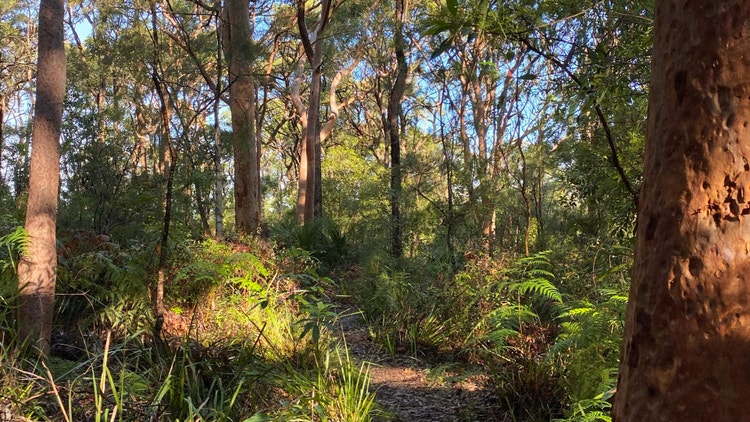
Field of Mars Reserve
Main location
Find risk assessment information, risk management advice, bus access details and walking track information for Field of Mars Reserve.
Teachers or parents will need to drop off and pick up students.
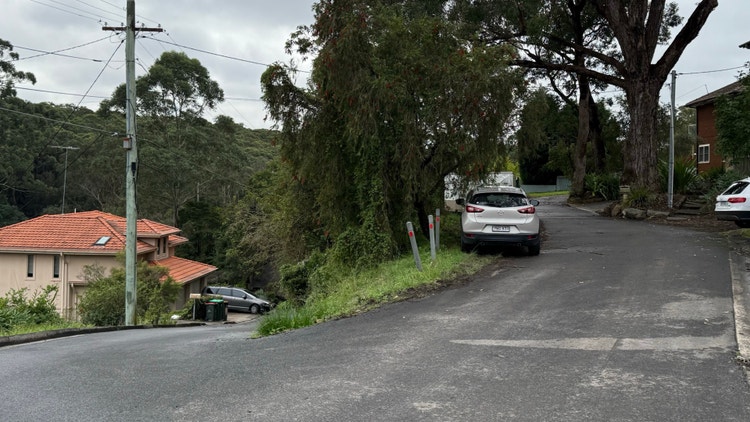
Westminster Road
Alternative entrance
This entrance or exit offers access during severe high tides and heavy rainfall events that cause flooding on the main Pittwater Road entrance.
Learn with us

Book now
Check program dates and remaining places, then book places for selected students using the Field of Mars EEC HPGE booking page.
Learning resources
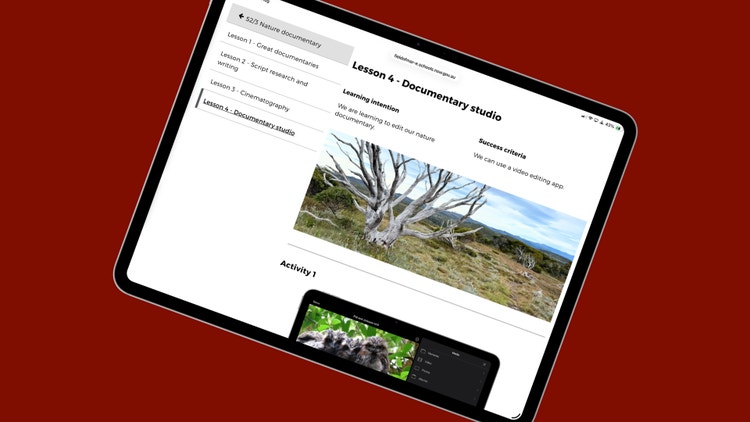
View online lessons that support primary incursion and excursion programs.
Flora and fauna fact sheets
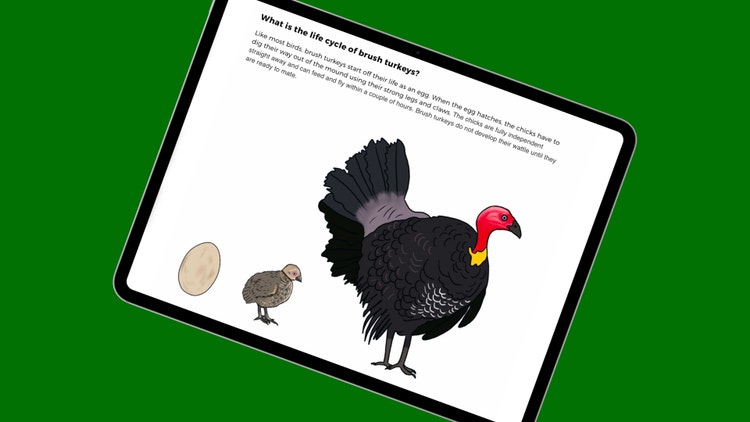
Explore plant, habitat and ecosystem fact sheets connected to nature photography, textures, colours, patterns and close-up observation.