
Adventure club HPGE | Stage 3 PDHPE
Program overview
Adventure club is a one-day Stage 3 Personal Development, Health and Physical Education HPGE enrichment program where students develop bushcraft, navigation, teamwork and outdoor problem-solving skills in Field of Mars Reserve. Working in teams, students establish a minimal-impact basecamp, assess hazards, practise pacing and compass bearings, and make decisions during a navigation challenge.
Students record observations, maps, data, diagrams and reflections in a take-home bushcraft journal. They also create cordage, construct a small low-impact campsite and evaluate how communication, leadership and resilience contributed to their team’s success. HPGE domains: physical, social–emotional, intellectual.
Learning intentions
- We are learning to apply observation, navigation and risk-management skills in a bushland environment.
- We are learning to communicate, collaborate and make informed decisions while completing outdoor challenges.
- We are learning to record and evaluate bushcraft and navigation skills using maps, diagrams, data and precise vocabulary.
Jump to: Program and curriculum | Essential information | Plan and prepare | Location | Extend student learning | Related HPGE programs


Program and curriculum information
Program activities
Activities may change to suit student needs, participant numbers, timing and weather conditions.
Bushcraft journal and bushwalk
Students receive a bushcraft journal, compass, map and pencil before completing a guided bushwalk through Field of Mars Reserve. They develop observation skills by identifying useful plants, natural materials, animal evidence and environmental features that can support safe outdoor movement and navigation.
Students record field notes, labelled diagrams and sketch maps in their journal.
Basecamp
Students work in teams to establish a minimal-impact basecamp. They select suitable locations by considering sunlight, wind, terrain and ground conditions, then complete a hazard assessment before setting up tents and tarps.
Students practise safe tent pegging and use simple knots to tension and secure their shelters.
Terrain and navigation
Students calculate their pace count over a measured 10-metre distance and consider factors that may affect its accuracy, including slope, fatigue, uneven terrain and distractions.
They learn basic compass skills, follow bearings, interpret natural features and make route decisions while completing a team navigation challenge.
Build and reflect
Students create raffia cordage and use natural materials to construct a small low-impact campsite. They demonstrate practical bushcraft skills and discuss ways to reduce damage and disturbance when visiting natural places.
Students complete a journal reflection evaluating their teamwork, communication, resilience, leadership and problem-solving.
Timetable
Time |
Activities |
| 9.15 | Arrival |
| 9.30–10.30 | Bushcraft journal and bushwalk |
| 10.30–11.00 | Recess |
| 11.00–11.45 | Basecamp |
| 11.45–12.30 | Terrain and navigation |
| 12.30–1.00 | Lunch |
| 1.00–2.00 | Build and reflect |
| 2.15 | Student collection and departure |
The timetable may be adjusted according to participant numbers, environmental conditions and the needs of participating students.
Syllabus outcomes and content
Students will learn to
- observe terrain, vegetation and other environmental features that can assist outdoor navigation
- identify and assess hazards when establishing and using a bushland basecamp
- use maps, pace counting and compass bearings to navigate through a natural environment
- collect, record and interpret observations and navigation data
- apply communication, collaboration, leadership and problem-solving skills during team challenges
- make and justify decisions that support the safety and success of a group
- construct a low-impact campsite using specified materials and explain how their choices reduce environmental disturbance
- reflect on the use of resilience, teamwork and self-management strategies.
The program supports the Personal Development, Health and Physical Education K–6 Syllabus (2024) through self-management, interpersonal skills, informed decision-making, resilience, leadership and collaboration.
Personal Development, Health and Physical Education K–6 Syllabus (2024) – Stage 3
Self-management and interpersonal skills
Outcome
- PH3-SMI-01 – Evaluates and applies self-management and interpersonal skills in a range of contexts –
Content addressed
Self-management skills are supported by informed decisions
- Apply problem-solving and decision-making actions across contexts
Interpersonal skills enhance positive interactions and effective communication
- Apply and evaluate interpersonal skills to make decisions that support the wellbeing of themselves and others
- Describe and demonstrate respectful and effective communication to promote leadership, inclusion and collaboration
Personal Development, Health and Physical Education K–6 Syllabus (2024) © NSW Education Standards Authority for and on behalf of the Crown in right of the State of New South Wales, 2024
Tier 2 and 3 vocabulary
Essential information
Program costs, eligibility and booking
Cost
$60 per student – GST free
Program costs are processed through each student’s home school.
Program costs may change. If program costs change after you book, you will be charged at the original cost.
Eligibility
This program is available to Stage 3 students enrolled in NSW Department of Education schools.
Schools should select students who demonstrate strong interest or potential in outdoor learning, navigation, leadership, teamwork, practical problem-solving or physical challenge. Selection should consider curiosity and potential, not only prior achievement.
Dates and booking
Adventure club is offered on selected HPGE program dates. Check available dates and remaining places before selecting students.
View HPGE program dates and remaining places
Cancellations
Less than 4 weeks notice – full cost (excluding HPGE programs in Term 1, Weeks 3–5)
Weather or fire danger cancellation – $0
Student numbers, supervision and support
Student numbers
A school may nominate up to twelve students for each HPGE program day.
Places are limited and subject to the remaining program capacity.
Supervision
Classroom teachers are not required to attend but are welcome.
Field of Mars Environmental Education Centre teachers supervise students throughout the program. Schools must provide a teacher or school learning support officer when a student requires additional assistance to participate safely and successfully.
Student information
Schools must provide accurate medical, allergy, medication, emergency contact, collection and support information for every participating student.
Student details must be confirmed at least seven working school days before the program. Changes can be made using the edit-submission link provided with the booking confirmation.
Support and adjustments
Notify Field of Mars Environmental Education Centre before the program about any mobility, sensory, communication, behavioural, medical or learning support requirements. Staff can discuss reasonable adjustments and suitable participation options.
What to bring, arrival and transport
Students should bring
School sports uniform, backpack, medication, low-waste food, water bottle, sunscreen, raincoat, hat and sturdy shoes.
Arrival and departure
Students should be dropped off by 9.15 am and collected at 2.15 pm.
A teacher, parent or responsible adult must supervise students until they have been received by Field of Mars Environmental Education Centre staff.
Transport and parking
Schools and families are responsible for transport to and from Field of Mars Reserve.
Cars must park in the main car park beside Pittwater Road. Students and accompanying adults then walk along the access road to the centre.
Risk management, weather and cancellations
Risk management
The program includes indoor activities, bushland walking, navigation activities, movement near natural vegetation and creeks, and the supervised use of tents, tarps, pegs, cordage and compasses.
Schools should review the Field of Mars Reserve risk management information when planning student participation and transport.
Students who are unwell should not attend.
View the Field of Mars Reserve risk management plan
View Field of Mars Reserve location and access information
Weather
The program may be modified, postponed or cancelled because of predicted extreme temperatures, bush fire danger, heavy rainfall, high winds or dust storms.
Field activities may continue in light rain when conditions are safe. Students must bring a waterproof raincoat.
Families may be directed to the Westminster Road entrance when flooding prevents access through the main entrance.
Plan and prepare for your visit

Field of Mars Reserve social story
Help Stage 3 students understand where they will go, what they may experience and how to participate safely during their visit.

Preparing for your excursion
Help students and families prepare for the program by checking clothing, food, water, medication, transport and outdoor learning requirements.
Location
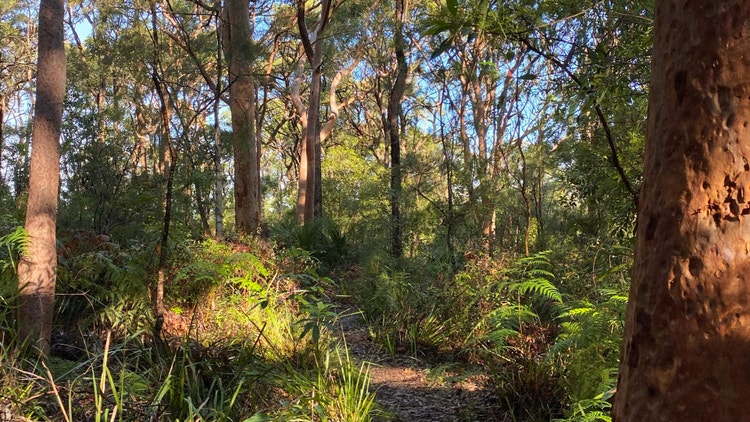
Field of Mars Reserve
Main location
Find risk management information, parking details, access information and walking track information for Field of Mars Reserve.
Teachers, parents or responsible adults will need to drop off and collect students.
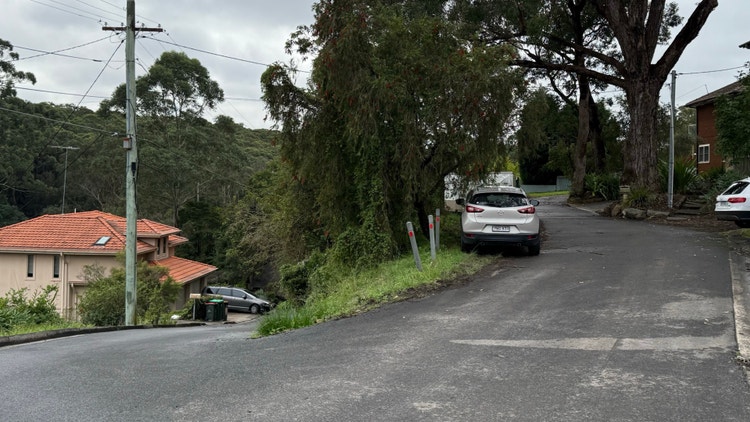
Westminster Road
Alternative entrance
This entrance or exit provides alternative access during severe high tides and heavy rainfall events that cause flooding at the main Pittwater Road entrance.
Extend student learning
Use these student-friendly fact sheets before or after your Adventure club HPGE enrichment program to support outdoor confidence, navigation, bushcraft and safe exploration of natural places.
- Field of Mars Reserve fact sheet – Explore the bushland setting where students build outdoor confidence, teamwork and navigation skills.
- Eucalypt forest ecosystem fact sheet – Learn about the forest environment students move through during outdoor challenge activities.
- River and creek environment fact sheet – Learn about waterways, creek banks, water flow and living things connected to water places.
- Tree habitats fact sheet – Discover how trees provide shade, shelter, landmarks, habitat and navigation features.
- Rock and log habitats fact sheet – Explore natural obstacles, sheltered places and habitat features found along bushland tracks.
- Habitat fact sheet – Learn how living and non-living features create places where organisms can survive.
Learn with us
Book this HPGE enrichment program
Check program dates and remaining places, then book places for selected students using the Field of Mars EEC HPGE booking page.
Learning resources
Explore lessons, digital activities, fact sheets and classroom resources that support outdoor and environmental learning before or after the HPGE program.
Related HPGE programs
Field guide HPGE enrichment program
Students become field naturalists, photograph natural specimens, record field observations and create a multi-page digital field guide using Procreate.
Mystery HPGE enrichment program
Students work in teams to solve a wildlife mystery by following a clue trail, collecting field evidence, interpreting maps and data, and presenting an evidence-based scientific argument.